Black stool: harmless causes and when it means bleeding
The short answer
Black stool is often harmless and caused by iron tablets, bismuth medicines like Pepto-Bismol, black licorice or blueberries. Black, sticky, tar-like stool with a strong smell (melena) can mean bleeding in the stomach or upper intestine and needs prompt medical advice. Get urgent help if black stool comes with dizziness, fainting, or vomiting blood or coffee-ground material.
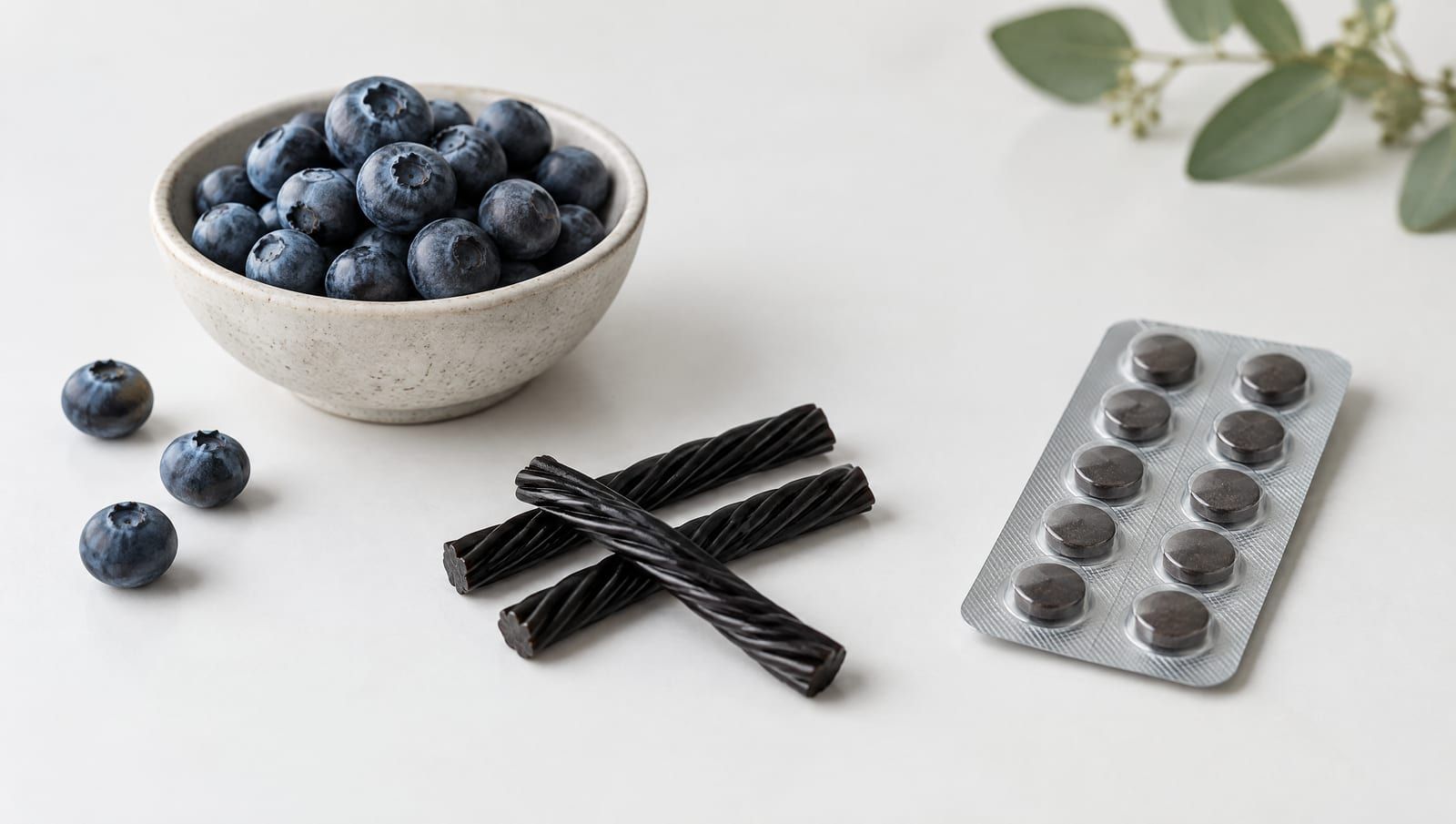
Black stool has two very different explanations. The common one is harmless: iron tablets, bismuth medicines like Pepto-Bismol, black licorice and blueberries can all turn poop black. The other is bleeding in the stomach or upper part of the small intestine, where blood gets digested on the way down and comes out black and sticky.
The first thing to ask yourself is what you’ve taken or eaten in the last few days. The second is what the stool looks and feels like. Those two questions sort out most cases, and when they don’t, a doctor can.
Harmless causes of black stool
| Cause | What it looks like | What to do |
|---|---|---|
| Iron supplements | Dark green to black, usually formed | Nothing, if you feel well |
| Bismuth (Pepto-Bismol, Kaopectate and similar) | Black or dark gray stool, sometimes a dark tongue | Fades after you stop taking it |
| Black licorice | Dark, formed stool | Nothing |
| Blueberries and other dark fruit | Very dark stool after a large amount | Nothing |
| Activated charcoal | Black stool | Nothing |
| Blood sausage | Dark stool | Nothing |
Pepto-Bismol and other bismuth medicines
Bismuth subsalicylate, the active ingredient in Pepto-Bismol and some other stomach remedies, reacts with sulfur in the gut and forms a black compound. Stool turns black or dark gray, and the tongue can darken too. MedlinePlus lists this as an expected effect. It isn’t harmful and goes away after you stop the medicine. If your stool is still black a few days after your last dose, mention it to a doctor.
Bismuth is often taken for an upset stomach, and a stomach problem can occasionally be the cause of bleeding. If you took Pepto-Bismol for stomach pain and the pain is severe or keeps coming back, get it checked even though the medicine explains the color.
Iron tablets
Iron supplements are one of the most frequent causes of black stool. The iron your body doesn’t absorb passes through and darkens the stool to dark green or black. This is normal and doesn’t mean you’re bleeding. Stool from iron is usually formed and looks like your normal stool in every way except color.
Some people take iron because they’re anemic, and anemia itself can come from slow bleeding in the gut. If you’re on iron for anemia without a known cause, your doctor may want to look for one.
Foods
Black licorice, a lot of blueberries, blackberries or other dark fruit, blood sausage and dark food coloring can all darken stool. Activated charcoal does it too. If the color follows a meal like that and goes back to normal in a day or two, there’s nothing to worry about.
Black tarry stool: when it can mean bleeding
Black stool from bleeding has a typical look. It’s sticky and shiny, like tar, often loose, and has a strong, unusual smell. Doctors call this melena. The blood comes from the upper digestive tract, usually the stomach or the first part of the small intestine, and turns black as digestive juices and bacteria work on it.
Causes of upper GI bleeding include:
- Stomach or duodenal ulcers, often linked to H. pylori infection
- Irritation or ulcers from anti-inflammatory painkillers such as ibuprofen, naproxen and aspirin
- Inflammation of the esophagus or stomach lining
- Enlarged veins in the esophagus, which can happen with liver disease
- Less often, tumors
You’re more likely to bleed if you take blood thinners, regular aspirin or other anti-inflammatory painkillers, or drink heavily. Bleeding can also come from the small intestine or the start of the large intestine. Very fast bleeding from higher up can come out maroon or red instead of black. Blood from lower down, such as hemorrhoids, is usually bright red and covered in the blood in stool guide.
Black stool with no visible blood
Many people search “black stool not blood” because they don’t see anything red. Blood from the upper gut doesn’t look like blood by the time it comes out. It’s already black. So the absence of red doesn’t rule bleeding out.
What helps is context. Black stool that’s formed, follows iron or bismuth, and comes with no other symptoms is very likely harmless. Black stool that’s tarry, came out of nowhere, or comes with stomach pain, tiredness, or looking pale needs a check. A doctor can run a simple stool test for hidden blood and a blood test for anemia.
When to see a doctor
Get emergency help right away (call 911 or your local emergency number) if black stool comes with:
- Dizziness, lightheadedness or fainting
- Vomiting blood, or vomit that looks like coffee grounds
- A fast heartbeat, cold or clammy skin, or confusion
- Severe stomach pain
See a doctor promptly, the same day if you can, if:
- Your stool is black, sticky and tar-like and you haven’t taken iron or bismuth
- You take blood thinners or regular anti-inflammatory painkillers and your stool turns black
- Black stool keeps happening and you can’t link it to food or medicine
- You also feel unusually tired, short of breath or look pale
What a doctor may check
MedlinePlus lists the questions a doctor is likely to ask: whether you take blood thinners or anti-inflammatory painkillers, whether you’ve had iron, Pepto-Bismol, black licorice or blueberries, whether every stool looks this way, and whether you have other symptoms like stomach pain or vomiting. Having those answers ready speeds things up.
Tests may include a blood count, a stool test for blood, and an upper endoscopy, where a thin camera looks at the esophagus, stomach and first part of the small intestine. Treatment depends on the cause. Ulcers, for example, are often treated with medicine that lowers stomach acid and antibiotics if H. pylori is found.
Tracking black stool
When you see a doctor about a color change, the details matter: when it started, how often, what it looked like, and what you’d taken. Those are easy to forget after a week.
Poopwell lets you log each bowel movement with its Bristol type and color, plus symptoms such as blood or pain. Picking black, red or pale shows a note that it’s worth discussing with a doctor, and those entries appear under medical alerts in the app’s PDF report, which you can bring to an appointment. You can also note food groups for each day, which helps if you’re trying to match dark stool to something you ate. The app is a log and can’t diagnose anything, so black tarry stool still needs a real medical opinion. For the other colors, see the poop color chart.
Questions people also ask
What does black stool mean?
Most often it means you've taken iron, a bismuth medicine like Pepto-Bismol, or eaten something dark like black licorice or blueberries. Black stool that is sticky and tar-like can mean bleeding in the upper digestive tract, which needs medical attention.
Does Pepto-Bismol cause black stool?
Yes. Bismuth subsalicylate, the active ingredient in Pepto-Bismol and similar products, can turn stool and the tongue dark or black. It's harmless and fades after you stop taking it. Tell a doctor if the black stool continues well after you've stopped.
Can iron tablets cause black stool?
Yes. Iron supplements commonly make stool dark green or black. This is an expected side effect and doesn't mean bleeding. Stool from iron is usually formed, while stool from bleeding tends to be sticky and tar-like.
What does black tarry stool mean?
Black, sticky, tar-like stool is called melena. It usually means blood from the stomach or upper small intestine that has been digested on its way through. Common causes include stomach ulcers and irritation from medicines like ibuprofen. It needs prompt medical advice.
Is black stool without blood serious?
Black stool with no visible red blood can still contain blood, because blood from higher up turns black as it's digested. If you haven't taken iron, bismuth or dark foods, or the stool is tarry, get it checked. A doctor can test the stool for hidden blood.
Sources
This guide is general information, not medical advice. If you're worried about a change in your bowel habits, talk to a doctor. Get urgent help for heavy bleeding, black tarry stool with dizziness, or severe belly pain.