Constipation relief: natural remedies and fast fixes

The short answer
Most constipation eases with more fluid, a gradual increase in fiber, daily movement, and a regular unhurried toilet routine with your feet raised on a low stool. Prunes and kiwifruit can help too. If that isn't enough, a pharmacist can suggest a laxative for short-term use, and blood in your stool, weight loss or a lasting change in bowel habit needs a doctor.
Constipation is common, uncomfortable, and usually fixable at home. The NHS says simple changes to diet and lifestyle are often enough, and you may notice a difference within a few days, though it can take a few weeks.
You’re likely constipated if you’ve pooed fewer than three times in the past week, if your stools are hard, dry or lumpy, or if you’re straining and still feel you haven’t finished. This guide covers what to try first, what helps fastest, and when over-the-counter medicines make sense.
Drink enough fluid
Hard stool is dry stool. Drink water and other fluids through the day, and more when it’s hot, when you exercise, or when you add fiber. Water, herbal tea, milk and soup all count. The NHS suggests cutting back on alcohol while you’re constipated.
Add fiber, gradually
Fiber adds bulk and holds water, which makes stool softer and easier to pass. The NHS recommends 30 grams a day for adults, and the NIDDK says 22 to 34 grams depending on age and sex. Most people fall short.
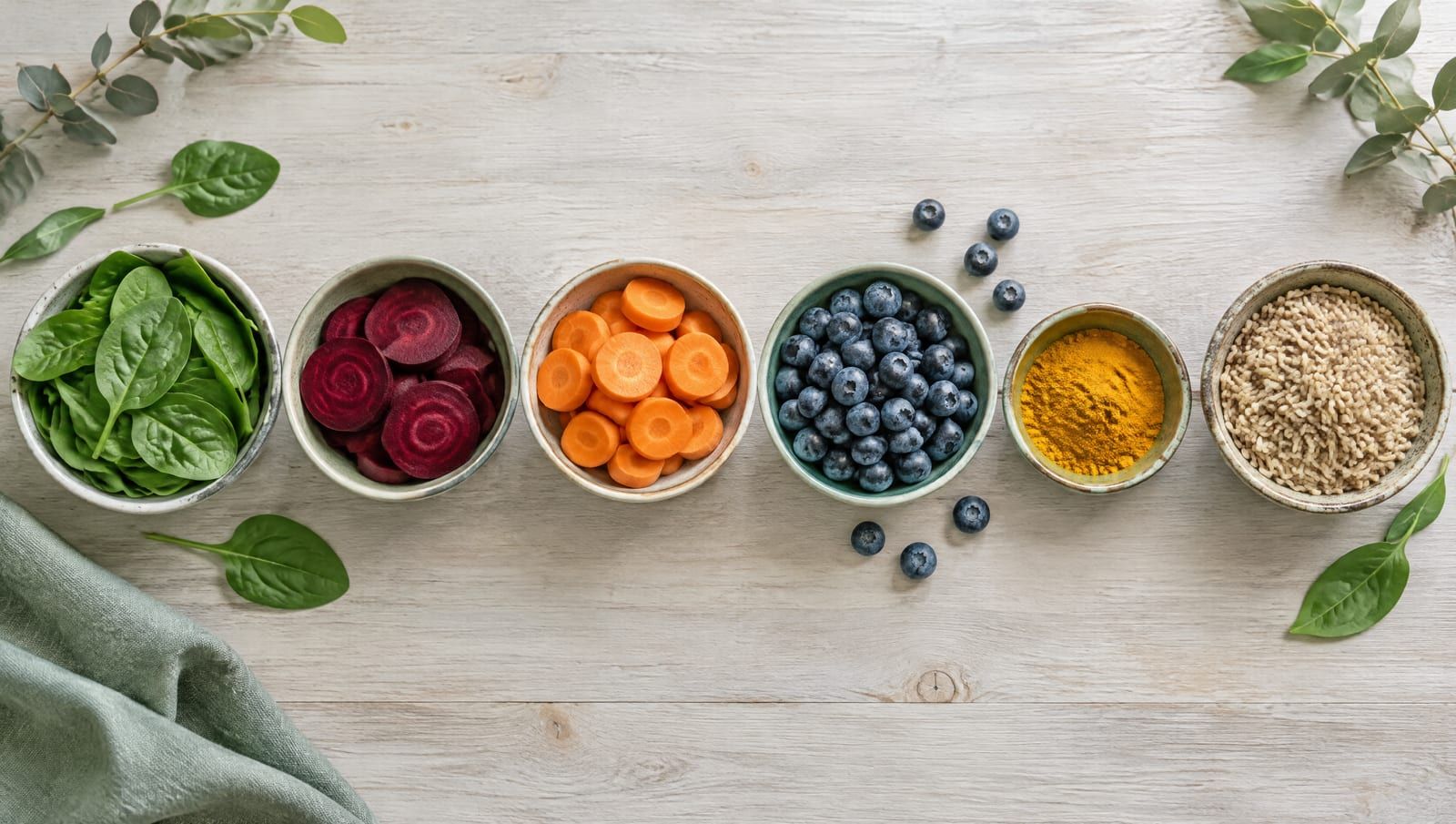
Good sources include fruit with the skin on, vegetables, beans and lentils, oats, wholemeal bread, rye bread and bran. The NHS suggests adding wheat bran, oats or linseed. Increase slowly over a few weeks, because a sudden jump often causes gas and bloating, and drink more as you go.
Our guide to foods that make you poop goes through the options one by one.
Try prunes and kiwifruit
Prunes and kiwifruit are two of the foods with the best trial evidence for constipation, and both are recommended in the British Dietetic Association’s 2025 guidelines. Prunes contain fiber and sorbitol, which draws water into the bowel. Kiwifruit fiber holds water and keeps stool soft. Both work best eaten regularly. Too many prunes at once can cause cramps or loose stools.
The NHS also suggests fruits that contain sorbitol, such as apples, apricots, grapes, raisins, raspberries and strawberries.
Move every day
Sitting or lying down for long periods slows the bowel. The NHS suggests a daily walk or run, and the NIDDK lists regular physical activity as a way to relieve symptoms. You don’t need a special routine.
Good exercises for constipation relief:
- brisk walking, especially after meals
- running or jogging
- cycling or swimming
- yoga or stretching that includes twisting and bending, if you enjoy it
- gentle abdominal massage, moving in a clockwise circle around your belly button
The evidence for specific yoga poses or massage is limited, but they’re low risk and some people find them helpful. If you’re mostly in bed or a chair because of illness or age, even short walks or seated leg movements can help.
Set up a toilet routine
Eating sets off contractions in the colon. The NIDDK suggests trying to go 15 to 45 minutes after breakfast, at about the same time each day. Give yourself time, so you aren’t rushing out the door.
Don’t ignore the urge. Holding it in lets the stool sit in the bowel longer, where more water is absorbed and it gets harder. The NHS lists ignoring the urge as one of the most common causes of constipation.
Use a footstool
Rest your feet on a low stool while you sit on the toilet, so your knees are higher than your hips. The NHS recommends this position because it makes it easier to poo. Lean forward slightly with your forearms on your thighs, relax your belly, and breathe. Avoid holding your breath and pushing hard, which can lead to hemorrhoids and small tears.
How to get constipation relief fast
If you want things moving today, combine the quickest steps:
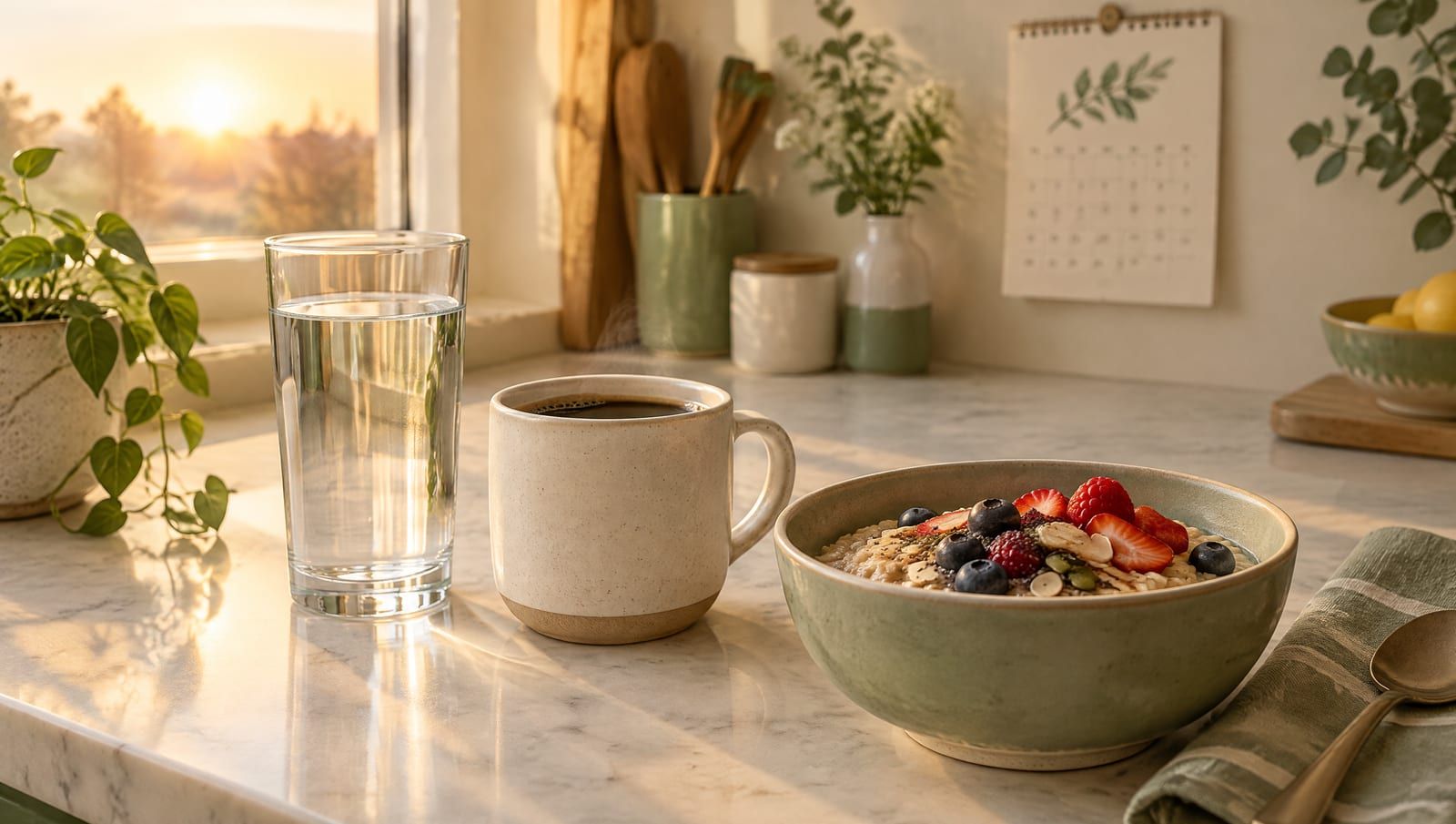
- Have a warm drink or a coffee with breakfast. Coffee stimulates the colon in many people.
- Go for a short walk.
- Sit on the toilet 15 to 45 minutes after eating, feet on a stool, without straining.
- Eat a few prunes or drink some prune juice.
If that doesn’t work and you’re uncomfortable, a pharmacist can help you choose a laxative.
Over-the-counter laxatives
The NHS suggests speaking to a pharmacist if diet and lifestyle changes aren’t helping. Laxatives come in a few types that work in different ways:
| Type | How it works | How long it usually takes (NHS) |
|---|---|---|
| Bulk-forming (such as ispaghula husk or psyllium) | Adds fiber so stool is bigger and softer | Up to 3 days |
| Osmotic (such as macrogol/PEG, lactulose, magnesium) | Draws water into the bowel to soften stool | 2 to 3 days |
| Stool softeners (such as docusate) | Lets water and fat into stool | 12 hours to 3 days |
| Stimulant (such as senna or bisacodyl) | Makes the bowel muscles push | 6 to 12 hours |
The NHS says it’s usually best to try a bulk-forming laxative first, to drink plenty of fluid with bulk-forming and osmotic types, and to stop when your constipation improves. Don’t take laxatives you’ve bought yourself for more than 7 days. If you’ve used one for 3 days without help, speak to a doctor or pharmacist. The NIDDK advises keeping stimulant laxatives for when constipation is severe or other treatments haven’t worked.
A pharmacist can tell you which type suits you, whether it interacts with your other medicines, and what dose to take. That’s especially worth asking if you have a long-term condition or take several medicines.
Magnesium for constipation relief
Magnesium salts such as magnesium oxide work as osmotic laxatives. They draw water into the bowel and soften stool. Both the 2023 American Gastroenterological Association and American College of Gastroenterology guideline and the 2025 British Dietetic Association guidelines include magnesium oxide as an option for chronic constipation. The BDA guidelines also found some evidence for drinking mineral water that is naturally high in magnesium.
Magnesium isn’t right for everyone. People with kidney disease can build up too much of it, and it can interact with some antibiotics and other medicines. Check with a pharmacist or doctor before you take it, and don’t exceed the dose on the label.
Constipation relief in pregnancy
Constipation is common during pregnancy and after birth. The NHS says the diet and lifestyle steps above are safe to try while pregnant. Speak to your midwife, doctor or pharmacist before taking any laxative or supplement, including magnesium. For babies and children, ask your doctor or health visitor, since the advice is different.
When to see a doctor
See a doctor if you:
- have blood in your stool, or black, tarry stools (see blood in stool)
- have lost weight without trying
- notice a sudden or lasting change in your bowel habits, especially if you’re over 50
- are constipated regularly, or it isn’t improving with treatment
- feel bloated often, or have ongoing tummy pain
- feel tired all the time along with constipation
- think a medicine is causing it, such as opioid painkillers or iron (don’t stop a prescribed medicine without asking)
Get urgent help if you have severe tummy pain, vomiting, a swollen belly, and you can’t pass stool or gas. Long-term constipation can also lead to faecal impaction, where hard stool builds up in the rectum and watery stool leaks around it. That can look like diarrhea and needs treatment from a doctor or nurse.
Tracking whether it’s working
Constipation relief is easier to judge when you can see the trend. Check how often you go against the normal range in how often should you poop, and watch your stool type on the Bristol stool chart. Hard lumps (types 1 and 2) moving toward types 3 and 4 means things are improving.
Poopwell makes this a one-tap habit. Log each bowel movement on the Bristol scale, add symptoms such as pain or blood if they happen, and tap food groups like High Fiber, Fruits or Caffeine. The calendar shows your pattern by color, and if you see a doctor, a PDF report (Pro) gives them weeks of history at a glance.
Questions people also ask
How can I get constipation relief fast?
Have a warm drink or coffee with breakfast, then sit on the toilet 15 to 45 minutes later with your feet on a low stool and knees above your hips. A walk helps too. If you need more, a pharmacist can suggest a laxative; stimulant laxatives usually work in 6 to 12 hours.
What is the best natural remedy for constipation?
There isn't one single remedy. The combination that works for most people is more fiber added slowly, enough fluid, daily activity, and not ignoring the urge to go. Prunes and kiwifruit have some of the best evidence among foods.
Does magnesium help with constipation?
Magnesium works as an osmotic laxative, drawing water into the bowel to soften stool, and magnesium oxide is included in US and UK constipation guidelines. It isn't safe for everyone, especially people with kidney problems, so ask a pharmacist or doctor before taking it.
What exercises help with constipation?
Walking, running, cycling and other everyday activity help the bowel move. The NHS suggests a daily walk or run. Exercise works best as a regular habit alongside fiber and fluids.
What helps constipation during pregnancy?
Fiber, fluids and gentle activity are safe to try in pregnancy, according to the NHS. Talk to your midwife, doctor or pharmacist before taking any laxative or supplement while pregnant.
Sources
- NHS: Constipation
- NHS: Laxatives
- NIDDK: Treatment for constipation
- MedlinePlus: Constipation
- Chang et al. AGA-ACG guideline: pharmacological management of chronic idiopathic constipation (2023)
- Dimidi et al. British Dietetic Association guidelines for the dietary management of chronic constipation in adults (2025)
This guide is general information, not medical advice. If you're worried about a change in your bowel habits, talk to a doctor. Get urgent help for heavy bleeding, black tarry stool with dizziness, or severe belly pain.