Foods that make you poop: what works and how fast
The short answer
Prunes, kiwifruit, pears, apples, berries, beans, oats, whole grains, chia and flax all help you poop because they add fiber, sorbitol or both, which soften stool and add bulk. Most take a day or more to work. Coffee and a warm breakfast are the quickest nudges, and fiber works best when you raise it slowly and drink enough fluid.
If you’re backed up, the kitchen is a sensible first stop. A handful of foods have decent evidence for easing constipation, and most of them work in the same few ways: they add fiber, they pull water into the bowel, or they get the colon moving.
None of them work like a switch. Some help within an hour, most take a day or two, and fiber does its best work when you eat it every day. This guide covers what to reach for, roughly how fast each food works, and how to avoid making things worse.
Why some foods help you poop
Stool that moves easily is soft, bulky and holds water. Foods help in three main ways.
Fiber adds bulk. Soluble fiber (in oats, chia, beans, fruit) absorbs water and forms a gel that keeps stool soft. Insoluble fiber (in wheat bran, whole grains, vegetable skins) adds bulk and helps stool move along.
Some fruits contain sorbitol, a sugar alcohol the gut absorbs poorly. It draws water into the bowel, which softens stool. Prunes, apples, pears, apricots, grapes and raisins all contain it, and the NHS lists sorbitol-containing fruit as a way to ease constipation.
Eating itself, and coffee in many people, sets off contractions in the colon. That’s why lots of people feel the urge after breakfast.
Foods that make you poop
| Food | Why it helps | How fast |
|---|---|---|
| Prunes and prune juice | Fiber and sorbitol | Some people notice it within a day or two |
| Kiwifruit | Fiber that holds a lot of water | Usually over several days of daily eating |
| Pears and apples | Fiber, sorbitol and fructose; eat the skin | A day or more |
| Berries | Fiber, especially raspberries and blackberries | Builds with daily eating |
| Beans, lentils, chickpeas | Plenty of soluble and insoluble fiber | Builds with daily eating |
| Oats and oat bran | Soluble fiber that forms a soft gel | Builds with daily eating |
| Whole grains, rye bread, wheat bran | Insoluble fiber that adds bulk | Builds with daily eating |
| Chia seeds and ground flaxseed | Soluble fiber; swell in liquid | A day or more, with enough fluid |
| Vegetables | Fiber, especially in skins and leafy greens | Builds with daily eating |
| Coffee | Stimulates the colon in some people | Can be soon after drinking it |
Prunes and prune juice
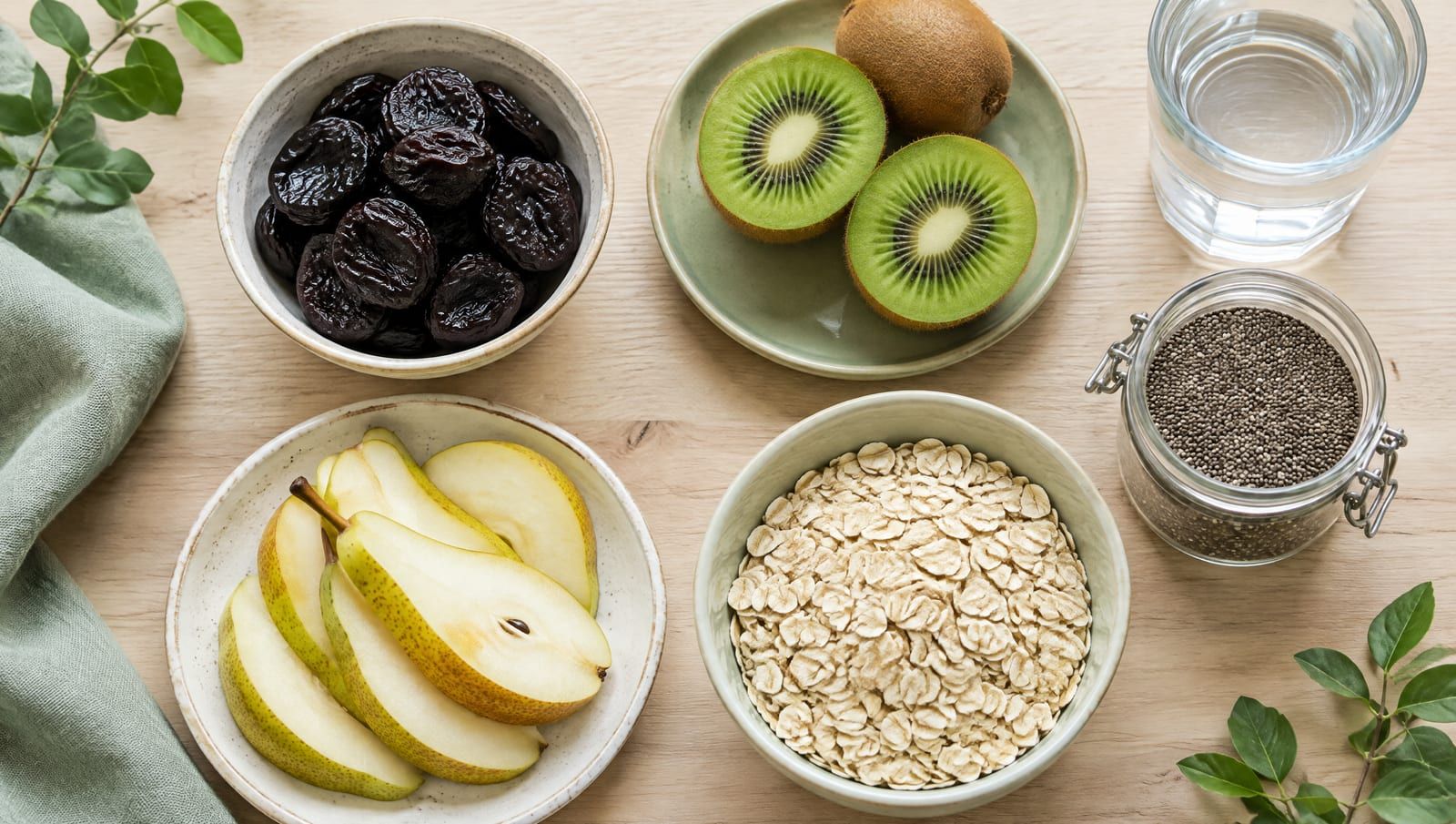
Prunes (dried plums) are the classic remedy, and they have real trials behind them. The British Dietetic Association’s 2025 guidelines on chronic constipation include prunes among the foods it recommends, along with kiwifruit and rye bread. Prunes combine fiber with sorbitol, so they soften stool two ways. Prune juice has less fiber than whole prunes, though it still contains sorbitol.
Start with a small handful. Too many can cause gas, cramping or loose stools.
Kiwifruit
Green kiwifruit has some of the strongest evidence of any fruit for constipation. The same BDA guidelines make recommendations for whole kiwifruit and kiwifruit supplements. Kiwi fiber holds a lot of water, which keeps stool soft. Most studies have people eating kiwifruit every day for a few weeks, so it’s better as a daily habit than a one-off fix.
Pears, apples and berries
Pears and apples contain fiber, fructose and sorbitol, and much of the fiber is in the skin, so eat them whole. Raspberries, blackberries and strawberries are high in fiber for their size and easy to add to oats or yogurt.
If you have IBS, note that apples and pears are high in FODMAPs and can cause bloating. Kiwifruit, oranges and strawberries are lower FODMAP choices (our low FODMAP diet guide has more).
Beans, lentils and whole grains
Beans, lentils and chickpeas are among the most fiber-dense foods you can buy. They also cause gas in many people, so start with small portions.
Whole grains such as oats, brown rice, quinoa, wholemeal bread and bran cereals add bulk. The BDA guidelines single out rye bread, and the NHS suggests adding wheat bran, oats or linseed (flaxseed) to your diet when you’re constipated.
Chia and flax
Chia seeds and ground flaxseed absorb liquid and form a soft gel. Stir them into oats, yogurt or a smoothie and drink plenty alongside. Ground flaxseed is easier to digest than whole seeds. Eating dry chia seeds without enough liquid isn’t a good idea, since they swell.
Vegetables
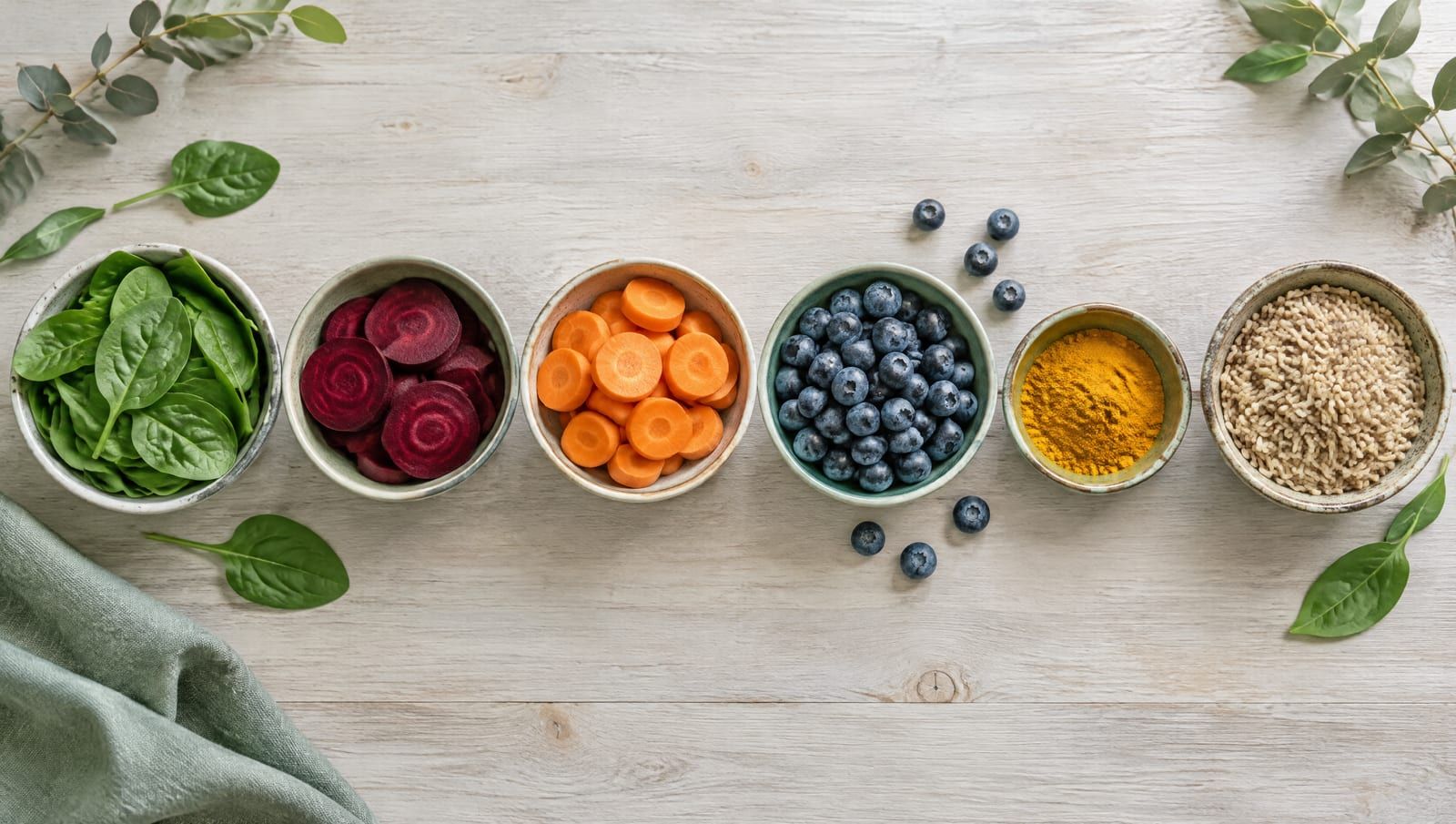
Leafy greens, broccoli, carrots, sweet potatoes with skin, peas and artichokes all add fiber. Variety helps more than any single vegetable. Aim to have some at most meals.
Water and other fluids
Fiber holds water. If you eat more fiber without drinking more, stool can stay hard or even get harder. The NIDDK advises drinking plenty of water and other liquids if you add fiber or take a fiber supplement. Water, herbal tea, milk and soup all count.
The BDA guidelines also found some evidence for mineral water that is high in magnesium. Ordinary tap water is still the place to start.
Coffee
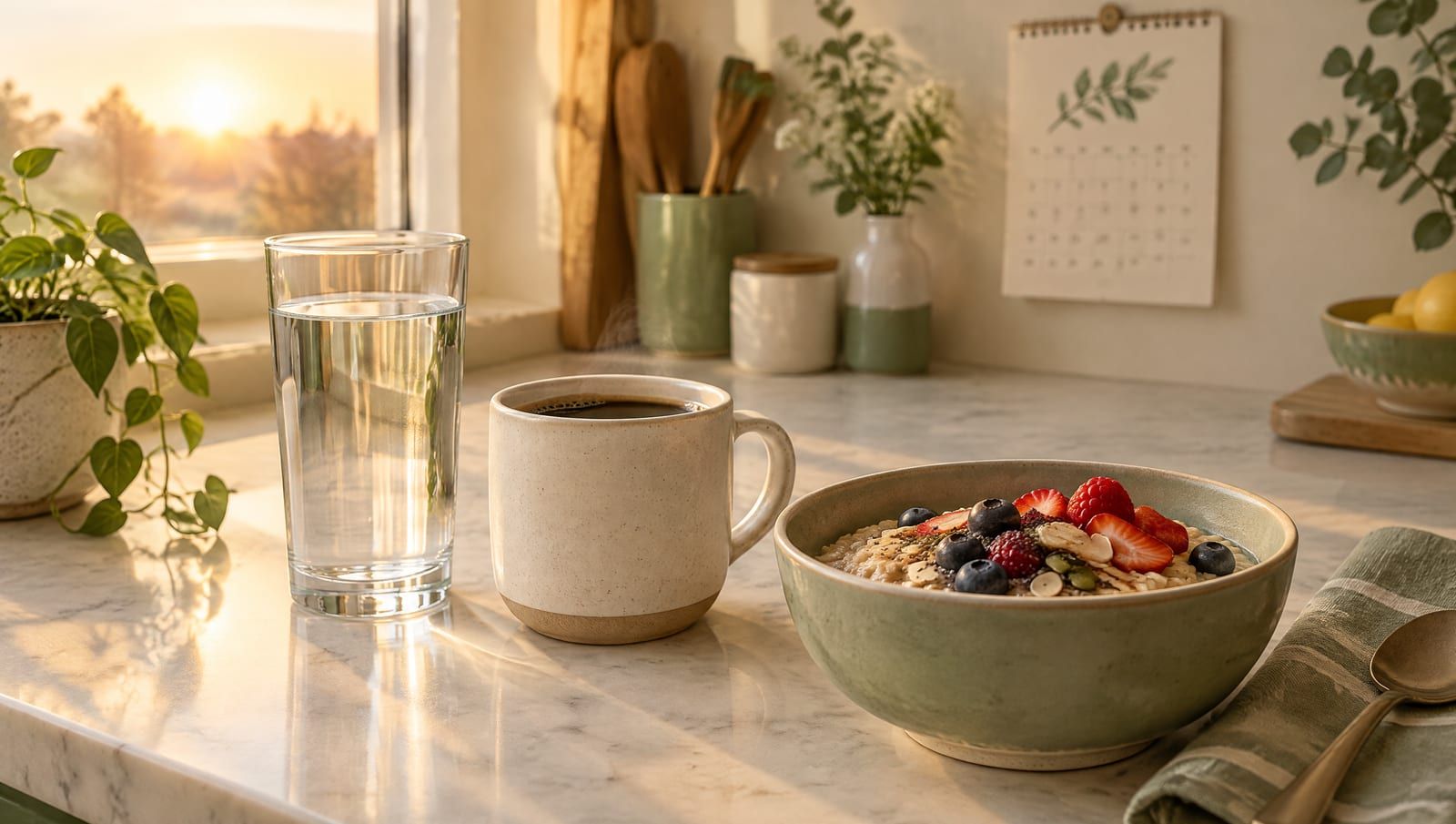
Coffee gets the colon moving in many people, often within a short time of drinking it. Pair it with breakfast and a few unhurried minutes on the toilet afterward, which uses your gut’s natural morning rhythm.
It doesn’t work for everyone. Large amounts of caffeine can worsen anxiety, sleep and IBS symptoms, and coffee alone won’t fix ongoing constipation.
Foods that make you poop fast
People often search for something that works immediately. Realistically:
- Coffee or a hot drink with breakfast is the quickest food-based nudge for many people.
- Prunes and prune juice can help within a day or two for some people.
- Fiber-rich foods help over days and weeks, and work best eaten daily.
If you need relief sooner than food can give, see our guide to constipation relief, which covers toilet posture, movement and over-the-counter options.
How much fiber you need
The NHS recommends 30 grams of fiber a day for adults. The NIDDK says 22 to 34 grams a day, depending on age and sex. Most adults eat well below that.
Raise fiber slowly over a few weeks. Going from low to high overnight is a common cause of gas, bloating and cramps. Add one new food at a time, drink more as you go, and give your gut time to adjust. A large review of fiber supplements in chronic constipation found the clearest benefit for psyllium, so a supplement can help if food alone falls short. Ask a pharmacist which suits you, especially if you take other medicines.
For children and during pregnancy, check with your doctor, midwife or health visitor before making big changes.
When to see a doctor
Food changes are for ordinary constipation. See a doctor if you have:
- blood in your stool or black, tarry stools (see blood in stool)
- weight loss you can’t explain
- a lasting change in your bowel habit, especially after age 50
- severe tummy pain, vomiting, or a swollen belly with no gas or stool passing
- constipation that keeps coming back or isn’t helped by diet changes
- constipation alongside tiredness all the time
- constipation after starting a new medicine
Tracking what helps
When you add prunes or more fiber, it helps to see whether anything changed. Look at how often you go (see how often should you poop) and at your stool type on the Bristol stool chart. Moving from type 1 or 2 toward type 3 or 4 is a good sign.
Poopwell lets you log each bowel movement with one tap on the Bristol scale and tap food groups such as Fruits, Vegetables, Grains, High Fiber or Caffeine for the day. The calendar and weekly stats show whether your stools are moving in the right direction after a change, and everything stays on your phone.
Questions people also ask
What foods make you poop fast?
No food works instantly. Coffee and a warm breakfast can trigger the urge within an hour in some people, because eating and coffee both get the colon moving. Prunes, prune juice and kiwifruit usually help over a day or a few days.
Do prunes really work for constipation?
Prunes are one of the foods with trial evidence behind them, and the British Dietetic Association includes them in its 2025 constipation guidelines. They contain fiber and sorbitol, a sugar alcohol that draws water into the bowel.
How much fiber should I eat a day?
The NHS recommends 30 grams a day for adults. US guidance from the NIDDK says 22 to 34 grams, depending on age and sex. Most people eat less than this, so increase gradually over a few weeks.
Can too much fiber make constipation worse?
It can if you add a lot at once or don't drink enough. Fiber holds water, and without enough fluid it can leave stool bulky and hard to pass. Raising fiber quickly can also cause gas and bloating.
Is coffee good for constipation?
For some people, yes. Coffee stimulates the colon in many people, often soon after drinking it. It doesn't work for everyone, and too much caffeine can upset the gut or sleep. It won't fix ongoing constipation on its own.
Sources
- NIDDK: Eating, diet and nutrition for constipation
- NIDDK: Treatment for constipation
- NHS: How to get more fibre into your diet
- NHS: Constipation
- Dimidi et al. British Dietetic Association guidelines for the dietary management of chronic constipation in adults (2025)
- van der Schoot et al. Fiber supplementation and chronic constipation in adults: systematic review and meta-analysis (2022)
This guide is general information, not medical advice. If you're worried about a change in your bowel habits, talk to a doctor. Get urgent help for heavy bleeding, black tarry stool with dizziness, or severe belly pain.