Floating poop: what it means and when to worry
The short answer
Floating poop usually means your stool has more gas in it than usual, often after a meal high in fiber, beans or other fermentable carbs, and it's normal now and then. Stool that floats along with being greasy, pale, very foul smelling and hard to flush can mean your body isn't absorbing fat properly. If that keeps happening, especially with weight loss or diarrhea, see a doctor.
Most of the time, poop floats because it has more gas trapped in it than usual. Bacteria in your large intestine break down fiber and some sugars your small intestine didn’t absorb, and that fermentation makes gas. Some of the gas ends up in the stool, which makes it less dense than water, so it bobs on the surface instead of sinking.
That’s ordinary, and it often follows a change in what you ate. Floating poop is only a concern when it comes with other signs that your body isn’t absorbing fat, or with symptoms like weight loss or ongoing diarrhea.
Sinking or floating poop: which is normal?
Both. Stool is mostly water, with fiber, bacteria, cells shed from the gut lining and small amounts of fat. Small differences in gas and fat content decide whether it sinks or floats, and that shifts from day to day with diet. Plenty of healthy people see their stool float sometimes.
Shape and texture tell you more than buoyancy. If your stools are mostly Bristol types 3 or 4, brown, easy to pass, and you feel well, an occasional floater isn’t a sign of anything.
What causes floating poop
Gas from food
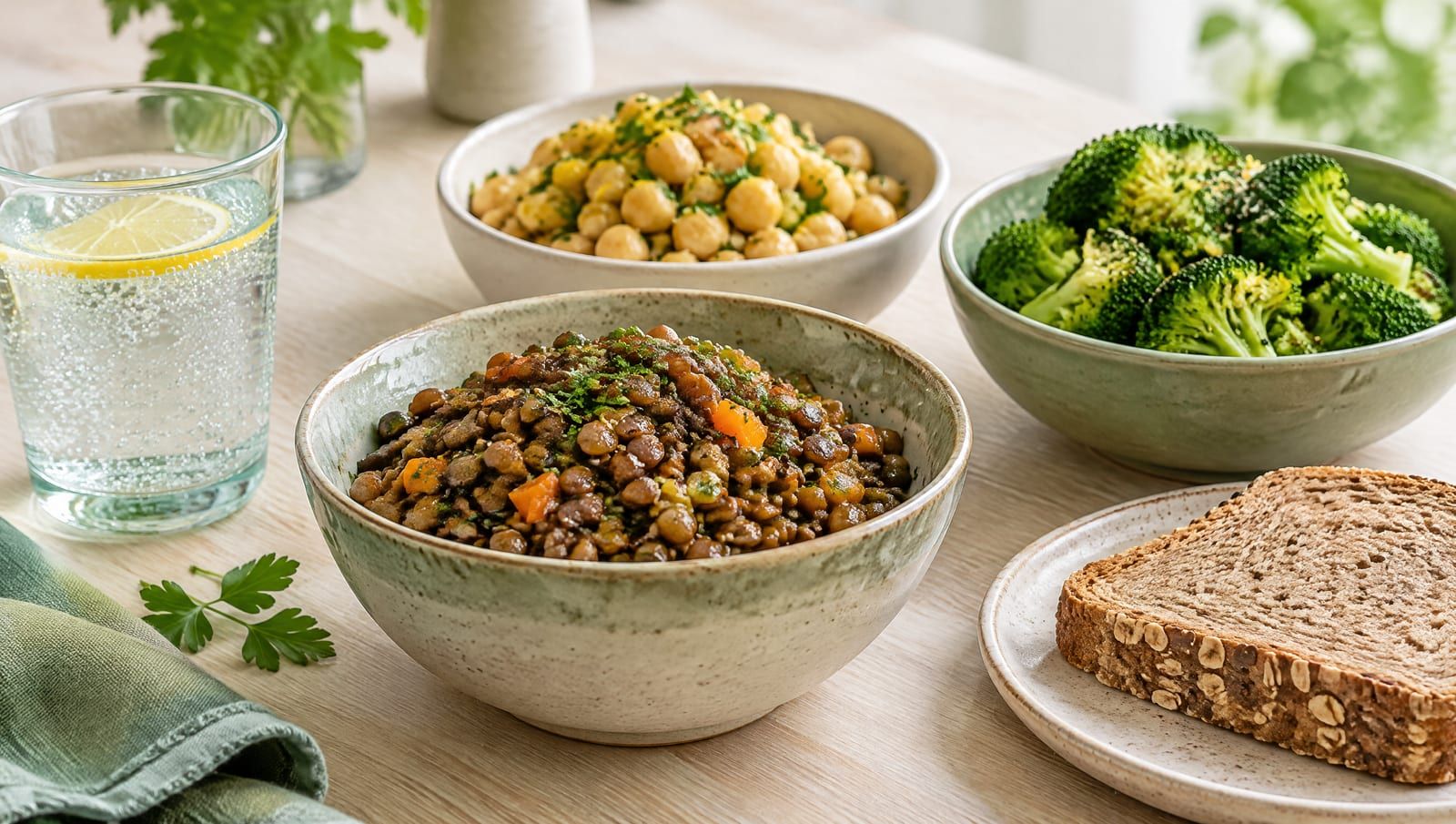
This is by far the most common reason. Foods that gut bacteria ferment produce gas, and some of that gas gets trapped in stool. Common examples:
- beans, lentils and chickpeas
- cabbage, broccoli, Brussels sprouts and cauliflower
- onions, garlic and leeks
- apples, pears and other fruit high in fructose
- whole grains and bran
- sugar-free gum and sweets with sorbitol or other sugar alcohols
- fizzy drinks
Many of these are high in FODMAPs, a group of fermentable carbohydrates. If they also give you bloating, cramps or loose stools, the low FODMAP diet guide explains how people with IBS test which ones bother them.
A change in diet
Adding a lot of fiber quickly, starting a new supplement, or switching to a plant-heavy diet can make stool float for a while until your gut adjusts. Increasing fiber slowly over a few weeks and drinking enough water tends to make the change gentler.
Lactose intolerance
If you don’t make enough lactase, the enzyme that digests milk sugar, lactose passes into the colon and gets fermented. That can bring gas, bloating, loose stools and floating poop a few hours after dairy.
A stomach bug
Infections that speed up digestion can cause loose, gassy stools that float for a few days. It usually settles on its own. Keep drinking fluids.
When floating poop can mean fat malabsorption
Your body normally absorbs almost all the fat you eat. When it can’t, extra fat ends up in your stool. Doctors call this steatorrhea. Fatty stool tends to:
- float and be hard to flush
- look greasy or oily, sometimes leaving an oily film or droplets on the water
- be pale, yellow or clay-colored
- smell much worse than usual
- be loose and bulky
A single greasy stool after a very fatty meal isn’t a worry. If it keeps happening, these are the usual causes a doctor will think about:
| Cause | What happens | Other signs to look for |
|---|---|---|
| Celiac disease | Gluten damages the lining of the small intestine, so it absorbs less | Diarrhea, bloating, tiredness, weight loss, anemia |
| Pancreas problems, such as chronic pancreatitis, cystic fibrosis or exocrine pancreatic insufficiency | The pancreas doesn’t make enough enzymes to digest fat | Belly pain, weight loss, loose greasy stools |
| Liver, gallbladder or bile duct problems | Not enough bile reaches the gut to break down fat | Pale stools, dark urine, yellow skin or eyes |
| Giardia infection | A parasite in the small intestine interferes with absorption | Smelly diarrhea, cramps, gas, burps that smell like eggs |
| Some medicines and weight-loss drugs | Drugs that block fat absorption leave more fat in stool | Oily spotting, urgency |
Yellow, greasy stools are covered in more detail in the yellow poop guide, and the poop color chart explains pale and clay-colored stool.
When to see a doctor
Make an appointment if:
- your stool is often greasy, oily, very foul smelling or hard to flush
- floating stools come with weight loss you can’t explain
- you have diarrhea that lasts more than a couple of weeks
- you feel bloated or have belly pain that keeps returning
- you get symptoms regularly after eating gluten or dairy
- your stool is pale, clay-colored or white
Get urgent care if:
- your skin or the whites of your eyes turn yellow, or your urine goes dark, along with pale stools
- you have severe belly pain, especially pain that spreads to your back
- you have a high fever with diarrhea, or signs of dehydration such as very little urine, dizziness or confusion
- you see blood in your stool or black, tarry stool
Don’t cut out gluten before you’re tested for celiac disease. The tests rely on you eating gluten, and stopping early can make the results unreliable.
Tracking floating poop and what you eat
Because floating stool usually comes down to food, a few weeks of notes often answer the question. Write down what you ate, and for each bowel movement note the Bristol type, the color, and whether it floated or looked greasy. Patterns show up fast: floaters the morning after a bean chili are one thing, greasy pale stools every day for a month are another.
Poopwell lets you log each bowel movement with one tap on the seven Bristol types, add the color, and tag the day’s food by group, such as dairy, gluten, high fiber, fried or sugar. With Pro, food trigger analysis compares the days after each food group with other days and shows which groups may be a trigger, seem fine or are still unclear. It’s a way to bring real data to your doctor, and it can’t diagnose fat malabsorption or anything else.
Questions people also ask
Is floating poop bad?
Usually not. Floating stool is most often caused by trapped gas from food and goes away by itself. It's worth seeing a doctor if your stool is regularly greasy, oily, pale or foul smelling and hard to flush, or if floating stools come with weight loss, diarrhea or belly pain.
Should healthy poop sink or float?
Either can be normal. Most stool sinks slowly, but plenty of healthy people have stool that floats sometimes, especially after high-fiber meals. A change that lasts, together with other symptoms, matters more than whether one stool sinks or floats.
What foods make your poop float?
Foods that produce gas as gut bacteria ferment them, such as beans and lentils, cabbage, broccoli, onions, apples, pears, whole grains and sugar alcohols like sorbitol. Fizzy drinks can add to it, and large amounts of lactose do too if you're lactose intolerant.
Does floating poop mean you're healthy?
Floating doesn't mean healthy or unhealthy on its own. Shape, color, how easy it is to pass and how you feel tell you much more. The Bristol stool chart is a better guide to whether your stool is in the normal range.
What does greasy floating poop mean?
Stool that is oily, leaves a film on the water, smells very bad and is hard to flush is called steatorrhea. It means fat isn't being absorbed properly, which can happen with celiac disease, pancreas problems, some liver or gallbladder conditions and infections like giardia. See a doctor if it happens more than once or twice.
Sources
This guide is general information, not medical advice. If you're worried about a change in your bowel habits, talk to a doctor. Get urgent help for heavy bleeding, black tarry stool with dizziness, or severe belly pain.