The low FODMAP diet for IBS: how it works, step by step
The short answer
The low FODMAP diet is a three-step plan for IBS developed at Monash University. You swap high FODMAP foods for low FODMAP ones for 2 to 6 weeks, reintroduce each FODMAP group one at a time to see which ones cause symptoms, then return to eating everything you tolerate. It works best with a dietitian and isn't meant to be followed strictly for the long term.
The low FODMAP diet is one of the best studied diets for irritable bowel syndrome. It was developed by researchers at Monash University in Australia, and the US National Institute of Diabetes and Digestive and Kidney Diseases (NIDDK) lists it as one of the diet changes a doctor may suggest for IBS.
It has a reputation for being strict, and the first few weeks are. The whole plan is built to end with you eating as widely as you can, avoiding only the foods that cause you trouble. This guide covers what FODMAPs are, how the three phases work, and the food swaps that make the first phase manageable.
What FODMAPs are
FODMAP stands for fermentable oligosaccharides, disaccharides, monosaccharides and polyols. These are short-chain carbohydrates that the small intestine absorbs poorly. They travel on to the large intestine, where they pull in water and are fermented by gut bacteria, which produces gas.
Everyone’s gut does this. In people with IBS, the gut tends to be more sensitive to stretching, so the same amount of water and gas can cause bloating, pain, wind, and diarrhea or constipation.
There are five main groups:
| Group | What it is | Common sources |
|---|---|---|
| Fructans (oligosaccharide) | Chains of fructose | Wheat, rye, barley, onion, garlic, some fruit |
| GOS (oligosaccharide) | Galacto-oligosaccharides | Beans, lentils, chickpeas, some nuts |
| Lactose (disaccharide) | Milk sugar | Milk, soft cheese, yogurt, ice cream |
| Excess fructose (monosaccharide) | Fructose in larger amounts than glucose | Honey, apples, pears, mango, agave |
| Polyols | Sugar alcohols such as sorbitol and mannitol | Apples, pears, stone fruit, mushrooms, cauliflower, sugar-free gum |
Most people with IBS react to some of these groups and not others. The diet is designed to find out which ones matter for you.
Before you start
Get an IBS diagnosis from a doctor first. Coeliac disease, inflammatory bowel disease and some other conditions can cause similar symptoms. Testing for coeliac disease needs you to be eating gluten, so going low FODMAP (which cuts back wheat) before a test can make the result unreliable.
Monash recommends doing the diet with a dietitian who knows it well, and the NHS says your GP may refer you to a dietitian for IBS diet advice. A dietitian’s help matters most if you already have a restricted diet, a history of disordered eating, or you’re pregnant. A dietitian can also tell you whether a gentler approach, such as cutting back on one or two obvious triggers, is worth trying first.
Phase 1: low FODMAP (2 to 6 weeks)
For two to six weeks you swap high FODMAP foods for low FODMAP ones. Monash describes this as a substitution diet, where each food you drop gets a low FODMAP replacement. Your daily apple becomes an orange. Onion becomes chives.
Serving size matters a lot. Many foods are low FODMAP in a small serve and high in a large one. The Monash University FODMAP app lists tested foods with a traffic-light rating for different amounts and is the most reliable reference.
If your symptoms improve during this phase, that suggests FODMAPs are part of the problem. If nothing changes after a few weeks, talk to your dietitian or doctor before going further. There’s no benefit to staying on a restricted diet that isn’t helping.
Common high and low FODMAP swaps
| Instead of (higher FODMAP) | Try (lower FODMAP) |
|---|---|
| Onion | Chives, green tops of spring onion |
| Garlic | Garlic-infused oil |
| Regular wheat bread | Sourdough spelt or gluten-free bread |
| Cow’s milk | Lactose-free milk |
| Soft cheese | Hard cheese such as cheddar |
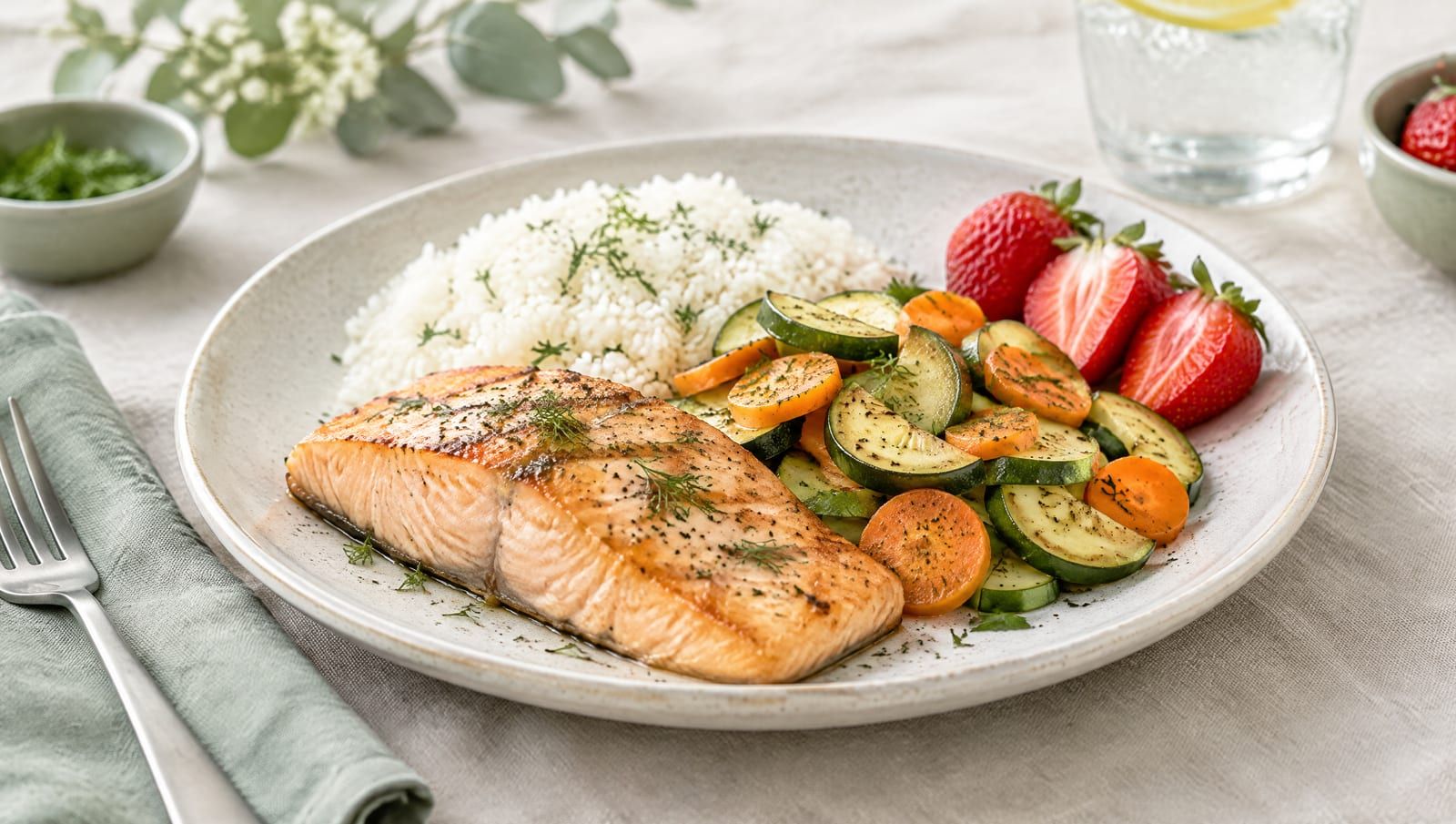
| Apple, pear, mango, watermelon | Orange, kiwifruit, grapes, strawberries, firm banana |
| Honey, agave | Maple syrup |
| Cashews, pistachios | Peanuts, walnuts, macadamias |
| Cauliflower, mushrooms | Carrot, zucchini, eggplant |
Garlic-infused oil works because fructans dissolve in water and not in oil. The flavor carries into the oil while the FODMAPs stay behind in the garlic, which you strain out.
Low FODMAP vegetables
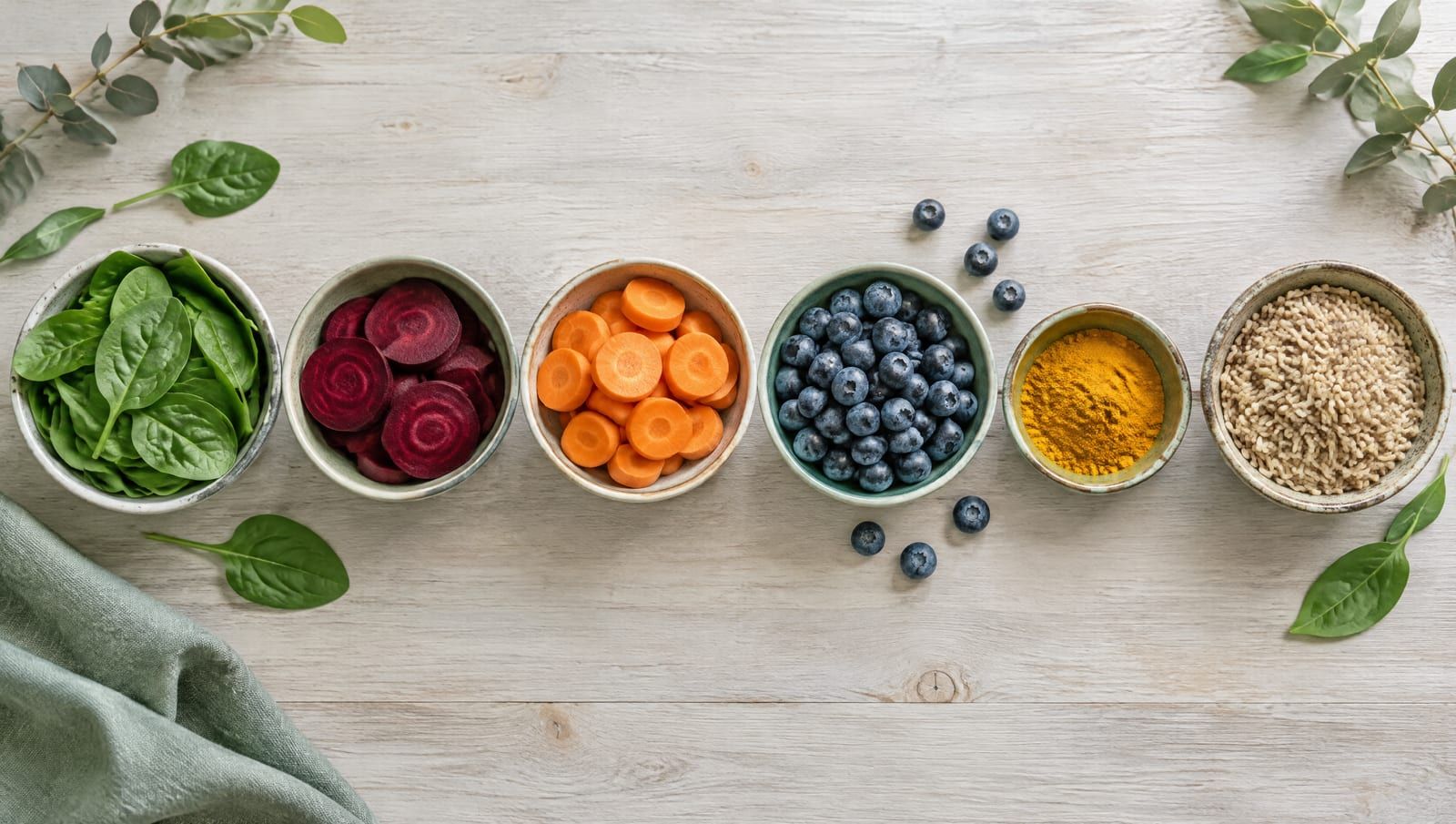
Vegetables are where people often end up eating less than they should during phase 1. Plenty of everyday vegetables are low FODMAP in normal serves:
- carrots, potatoes and parsnips
- cucumber, lettuce, spinach and kale
- tomato and red bell pepper
- eggplant, green beans and bok choy
- zucchini, in a moderate serve
- the green tops of spring onions and leeks
The ones to limit in phase 1 include onion, garlic, leek bulbs, asparagus, artichoke, cauliflower, mushrooms, snow peas and sugar snap peas. Celery and sweet corn are fine in small amounts and higher in large ones.
Keep fiber up with low FODMAP sources such as oats, brown rice, quinoa, kiwifruit, carrots and potatoes with skin. Fiber can drop on this diet, and that can make constipation worse. Our guide to foods that make you poop covers fiber in more detail.
The low FODMAP diet for bloating
Bloating is one of the symptoms the diet helps most often in IBS, because fermentation and water in the bowel are behind a lot of it. If bloating is your main complaint, mention it to your dietitian so the reintroduction phase can focus on which groups bring it back. A bloated belly can also come from constipation, so keeping your stools soft and regular helps too (see our guide to constipation relief).
Bloating that comes with weight loss, a swollen belly that doesn’t go down, or a change in bowel habit after age 50 needs a doctor’s opinion before any diet. See the red flags below.
Phase 2: reintroduction
This is the step people skip, and it’s the one that makes the diet worth doing. While you keep your background diet low FODMAP, you test one FODMAP group at a time to see how your gut responds.
A typical test uses one food that contains mostly one FODMAP. Monash gives mango as an example for testing excess fructose. Others might be milk for lactose, or bread for fructans. You usually eat a small amount on the first day and increase it over the next couple of days, unless symptoms appear. Then you take a few days off before the next test so the results don’t overlap. Your dietitian will pick the foods, amounts and order.
Monash says reintroduction takes most people around 6 to 8 weeks. Write down what you tested, how much, and what happened over the next day or two, including your stool type and any symptoms. Without notes, it’s easy to blame a test food for a bad day that had nothing to do with it.
Phase 3: personalization
In the last phase, you bring back everything you tolerated and limit only the groups, or amounts, that caused symptoms. Many people find they react to one or two groups and can eat the rest freely.
Tolerance can change, so it’s worth retesting foods that gave you trouble every few months. A long, strict low FODMAP diet isn’t recommended. FODMAPs feed many of the gut bacteria that are good for you, and cutting out more foods than necessary makes eating harder for no reason.
When to see a doctor
See a doctor before changing your diet, or soon if you’re already on it, if you have:
- blood in your stool or black, tarry stools (see our guide to blood in stool)
- weight loss you can’t explain
- symptoms that wake you at night
- a lasting change in bowel habit, especially if you’re over 50
- a family history of bowel cancer, coeliac disease or inflammatory bowel disease
- fever, vomiting, or severe or worsening pain
- anemia or signs of it, such as tiredness and breathlessness
Tracking the reintroduction
Reintroduction is easier to read with a simple record of stools and symptoms. Paper works, and so does the IBS food diary template.
Poopwell can help with the gut side of that record. You log each bowel movement with one tap on the Bristol stool chart and can add symptoms such as pain, urgency or mucus. Food is logged by tapping broad groups such as Dairy, Gluten, Vegetables or Fruits. The app doesn’t track individual FODMAPs, so it won’t tell you which FODMAP group caused a reaction. What it does show is how your stools changed in the days around each test, and the Pro trigger analysis compares days after each food group with your other days. A PDF report or CSV export (Pro) gives your dietitian the same picture in one page.
Questions people also ask
What is the low FODMAP diet?
It's a short-term diet for IBS that limits a group of fermentable carbohydrates called FODMAPs. You cut them back for a few weeks, then reintroduce them one group at a time to find out which ones trigger your symptoms.
How long should you stay on the elimination phase?
Monash University suggests 2 to 6 weeks. If your symptoms haven't improved by then, talk to your dietitian or doctor before going any further, because the diet may not be the answer for you.
Does the low FODMAP diet help with bloating?
For many people with IBS, yes. FODMAPs draw water into the gut and are fermented by gut bacteria, which makes gas. Cutting back on them often reduces bloating, wind and pain. Bloating from other causes may not respond.
What vegetables are low FODMAP?
Carrots, cucumber, eggplant, green beans, bok choy, lettuce, spinach, potato, tomato, red bell pepper and the green tops of spring onions are low FODMAP in normal serves. Onion, garlic, cauliflower, mushrooms, asparagus and artichoke are high. Serving size matters, so check a current list such as the Monash app.
Do I need a dietitian for the low FODMAP diet?
It's strongly recommended. A dietitian can check that the diet suits you, keep it nutritionally balanced, and guide the reintroduction phase, which is the part most people find hardest to do alone.
Sources
This guide is general information, not medical advice. If you're worried about a change in your bowel habits, talk to a doctor. Get urgent help for heavy bleeding, black tarry stool with dizziness, or severe belly pain.