Constipation relief during pregnancy: safe ways to get things moving
The short answer
Constipation is common in pregnancy because hormones slow digestion, iron supplements can harden stool, and the growing womb presses on the bowel. Drinking more, adding fiber gradually and staying active are safe to try and help most people. Check with your midwife, doctor or pharmacist before taking any laxative or supplement.
Constipation is one of the most common digestive complaints in pregnancy, and it can start in the first weeks and come back in the third trimester. You might go less often than usual, pass hard, dry stools, or strain and feel you haven’t finished.
The first things to try are simple. The NHS says more fluid, more fiber and regular exercise are safe to try while pregnant. Medicines are a different matter. Even ones you’d buy without a second thought should be checked with your midwife, doctor or pharmacist first.
Why pregnancy causes constipation
Hormones are the main cause in early pregnancy. ACOG explains that higher hormone levels slow down the digestive system. Progesterone relaxes smooth muscle around the body, including the bowel wall, so stool moves through more slowly and more water is absorbed from it, leaving it harder.
Iron supplements are another common cause. Many prenatal vitamins contain iron, and some people are prescribed extra iron for anemia. Iron can make stool harder and often turns it dark green or black. That color change from iron is expected, but black, sticky, tar-like stool with a strong smell can mean bleeding higher in the gut. Our guide to black stool explains the difference.
Later in pregnancy, the growing womb presses on the bowel. Being less active, morning sickness that makes it hard to eat and drink, and changes to your usual routine can all add to it.
Drink more fluid
Stool needs water to stay soft, and you need more fluid while pregnant. Keep a bottle nearby and drink regularly through the day. Water, milk, herbal teas that are safe in pregnancy, and soup all count. If morning sickness makes drinking hard, small sips often are easier than large glasses.
Add fiber gradually
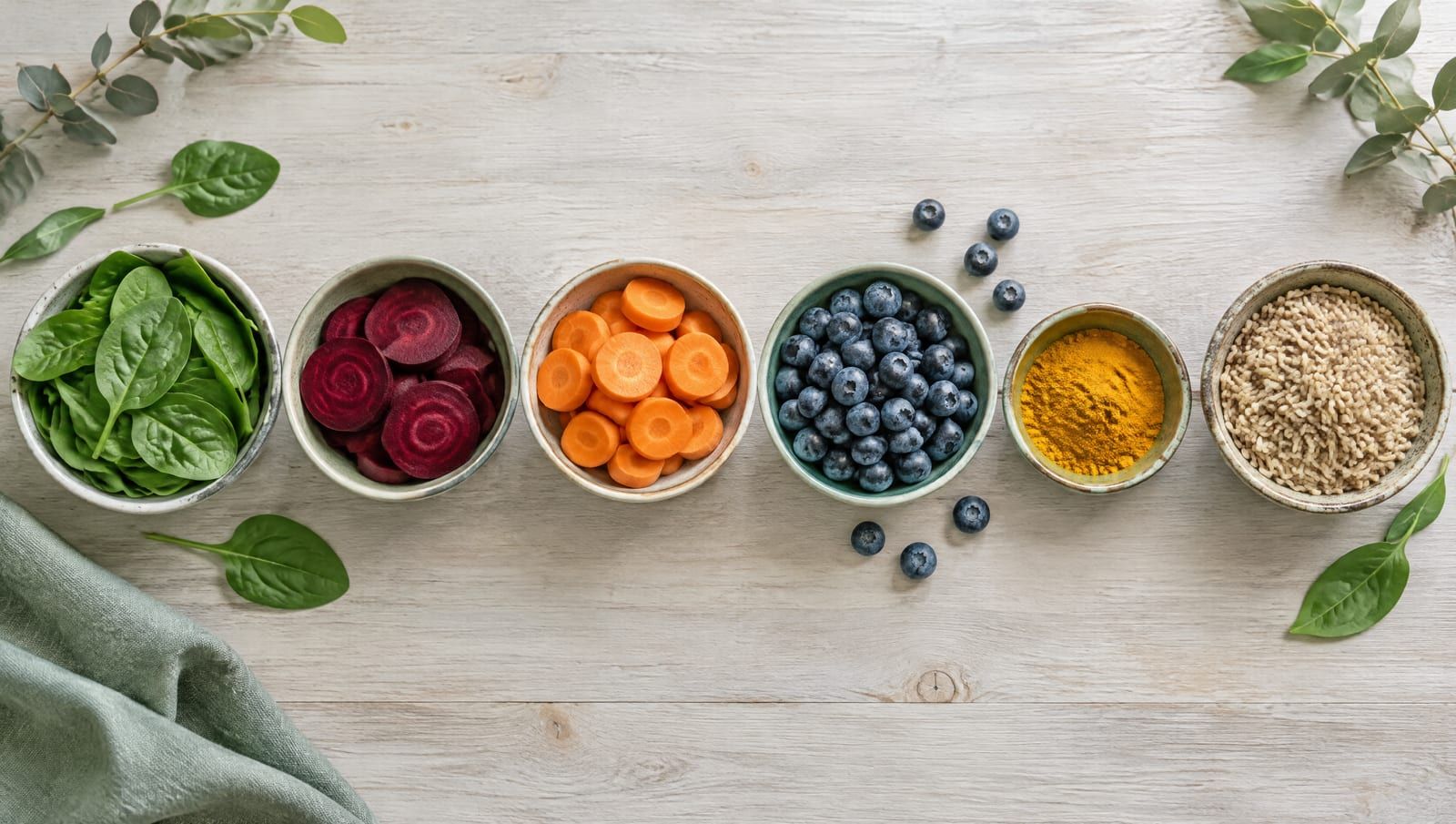
Fiber adds bulk and holds water in the stool. ACOG notes it can help prevent constipation by making stool easier to pass. Good sources include:
- oats, bran and wholegrain bread or cereal
- fruit, especially with the skin on, and dried fruit such as prunes
- vegetables, beans, lentils and chickpeas
- ground linseed (flaxseed) stirred into cereal or yogurt
Increase fiber over a week or two and drink more as you go. A sudden jump can cause wind and bloating, which can feel worse when your belly is already crowded. Our guide to foods that make you poop has more ideas, including prunes and kiwifruit.
Keep moving
Regular activity helps the bowel move. Walking, swimming, pregnancy yoga and other gentle exercise your midwife has said is fine for you all count. A short walk after meals is easy to fit in, even on tired days.
Toilet habits that help
Go when you feel the urge rather than putting it off. Many people find the urge is strongest after breakfast, so leave yourself time then. Resting your feet on a low stool so your knees are above your hips can make it easier to pass stool without straining. The constipation relief guide covers this and other everyday steps in more detail.
Laxatives and supplements in pregnancy
The NHS advises checking with your pharmacist, midwife or GP before taking any medicine while pregnant, including ones bought over the counter. That applies to laxatives, stool softeners, fiber supplements, magnesium and herbal remedies.
ACOG describes bulk-forming laxatives as thought to be the safest type and says stimulant laxatives should be used with caution. Your midwife, doctor or pharmacist can tell you which product suits you, how long to use it, and whether it’s safe alongside anything else you take. Mention herbal or “natural” products too, since some aren’t recommended in pregnancy.
If you take iron and it’s making you constipated, don’t stop it on your own. Ask whether a different form, dose timing or a laxative alongside it might help.
Piles (hemorrhoids) in pregnancy
Piles are swollen blood vessels in and around the anus, and they’re common in pregnancy. Constipation and straining make them more likely and can make existing ones worse. They can itch, ache, or leave bright red blood on the toilet paper.
Keeping stools soft is the best prevention. The NHS also suggests avoiding long periods of standing or sitting, patting rather than rubbing after a bowel movement, and holding a cloth wrung out in iced water gently against the area to ease pain. Ask your midwife, doctor or pharmacist before using a pile cream. Any bleeding from your bottom should still be mentioned at your next appointment, because piles aren’t the only cause. See blood in stool for more.
Quick reference
| Step | Safe to try yourself? |
|---|---|
| More fluids | Yes |
| More fiber from food, added slowly | Yes |
| Walking, swimming, gentle exercise | Yes, if your midwife hasn’t advised otherwise |
| Feet on a low stool on the toilet | Yes |
| Fiber supplements, laxatives, stool softeners | Check with your midwife, doctor or pharmacist first |
| Herbal remedies, magnesium, enemas | Check with your midwife, doctor or pharmacist first |
| Stopping prescribed iron | No, ask first |
When to see a doctor or midwife
Speak to your midwife or doctor if:
- home measures haven’t helped after a week or two
- you haven’t opened your bowels for several days
- constipation keeps coming back, or you’re relying on laxatives
- you have bleeding from your bottom or blood in your stool
- your stools are black and tarry, or you feel very tired, dizzy or breathless
Get urgent help from your maternity unit, or call 999 or your local emergency number, if you have:
- stomach pain that is severe or doesn’t go away after resting for 30 to 60 minutes
- vaginal bleeding, fluid leaking, or regular cramping or tightenings
- vomiting with a swollen belly and no stool or wind
- fever, or pain or burning when you pee
Stomach pain in pregnancy has many causes, and some of them aren’t related to your bowel. If you’re unsure whether pain is from constipation, call your midwife or maternity unit and ask.
Keeping track
Noting how often you go, what your stools are like, and when you started iron or changed your diet makes it easier to see what’s helping. It also gives your midwife clear answers when they ask.
Poopwell lets you log a bowel movement with one tap on the Bristol stool chart, with optional notes on color, pain and blood. Black, red or pale stools and blood trigger a warning so you know to mention it, and the PDF report lists them under medical alerts. Food groups such as High Fiber, Fruits and Vegetables can be tapped in a second. The data stays on your phone, with no account needed. It isn’t a medical device, and anything that worries you should go to your midwife or doctor.
Questions people also ask
What is safe for constipation relief while pregnant?
Drinking plenty of fluid, eating more fiber, and gentle daily activity such as walking or swimming are safe to try in pregnancy. If they aren't enough, ask your midwife, doctor or pharmacist which laxative is suitable before you buy one.
What gives immediate constipation relief during pregnancy at home?
There's no instant fix that suits everyone. A warm drink, a short walk, and sitting on the toilet unhurried with your feet on a low stool can help you go. Prunes and kiwifruit help some people within a day or two. For anything stronger, ask a pharmacist and tell them you're pregnant.
Why does pregnancy cause constipation?
Pregnancy hormones, mainly progesterone, relax the muscles of the bowel so stool moves more slowly. Iron in prenatal vitamins or supplements can make stool harder, and later in pregnancy the growing womb presses on the bowel.
Do iron tablets cause constipation in pregnancy?
They can, and they often turn stool dark green or black too. Don't stop iron you've been prescribed. Ask your midwife or doctor whether a different form or timing might suit you better.
Can straining on the toilet hurt my baby?
Straining is very unlikely to harm your baby, but it can cause or worsen piles (hemorrhoids), which are common in pregnancy. Keeping stools soft so you don't need to strain is the best way to avoid them.
Sources
This guide is general information, not medical advice. If you're worried about a change in your bowel habits, talk to a doctor. Get urgent help for heavy bleeding, black tarry stool with dizziness, or severe belly pain.