Gut health guides
Straight answers to the questions people look up about poop, with sources. Each guide starts with the short answer.
-

Bristol stool chart: what types 1 to 7 mean
The Bristol stool chart sorts stool into seven types by shape and texture. Types 1 and 2 are hard and point to constipation, types 3 and 4 are the normal range, and types 5 to 7 are increasingly loose, with type 7 being diarrhea. A single odd day rarely matters; a change that lasts is what's worth tracking.
Read the guide -

Poop color chart: what each stool color means
Brown is normal, and green, yellow or orange are usually down to food or fast digestion. Black, red or maroon stool can mean bleeding unless you've had iron, bismuth, beets or similar, and pale, clay or white stool can mean bile isn't reaching the gut. Those three colors are worth a call to a doctor if food doesn't explain them.
Read the guide -

How often should you poop? What's normal
For most adults, anywhere from three bowel movements a day to three a week is normal. Fewer than three a week counts as constipation, and three or more loose or watery stools a day counts as diarrhea. A lasting change from your own usual pattern matters more than the exact number.
Read the guide -

IBS food diary: how to keep one that finds triggers
An IBS food diary works when you record what you ate, when, and how your gut responded, including stool type and symptoms, every day for at least two to four weeks. Then you compare the days after each food with your other days. Cut out one suspected food at a time, and get a dietitian's help before trying a full elimination diet like low FODMAP.
Read the guide -
Poop tracker app: what to look for in one
A good poop tracker app logs a bowel movement on the Bristol stool chart in a few seconds, records color and symptoms like blood, shows patterns over weeks, and exports a report your doctor can read. Because it's health data, check where it's stored, whether you need an account, and whether the app shows ads.
Read the guide -
Green poop: why it happens and when to worry
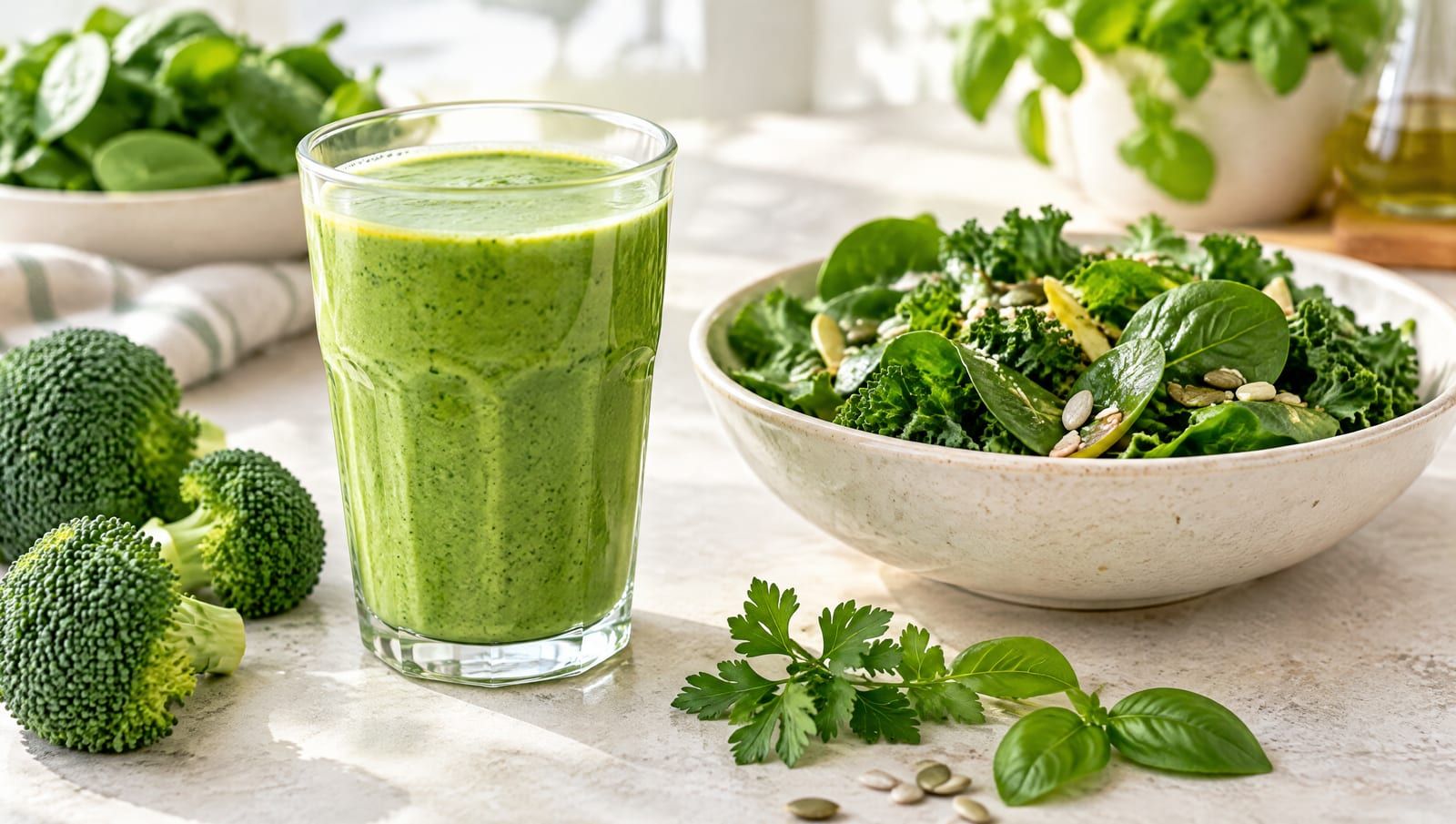
Green poop is usually caused by food, such as leafy greens or green food coloring, by iron supplements, or by stool moving through the gut too fast for bile to turn brown. On its own it is rarely a sign of anything serious. It's worth seeing a doctor if green stool comes with diarrhea lasting more than a few days, fever, severe pain, blood, or weight loss.
Read the guide -
Black stool: harmless causes and when it means bleeding
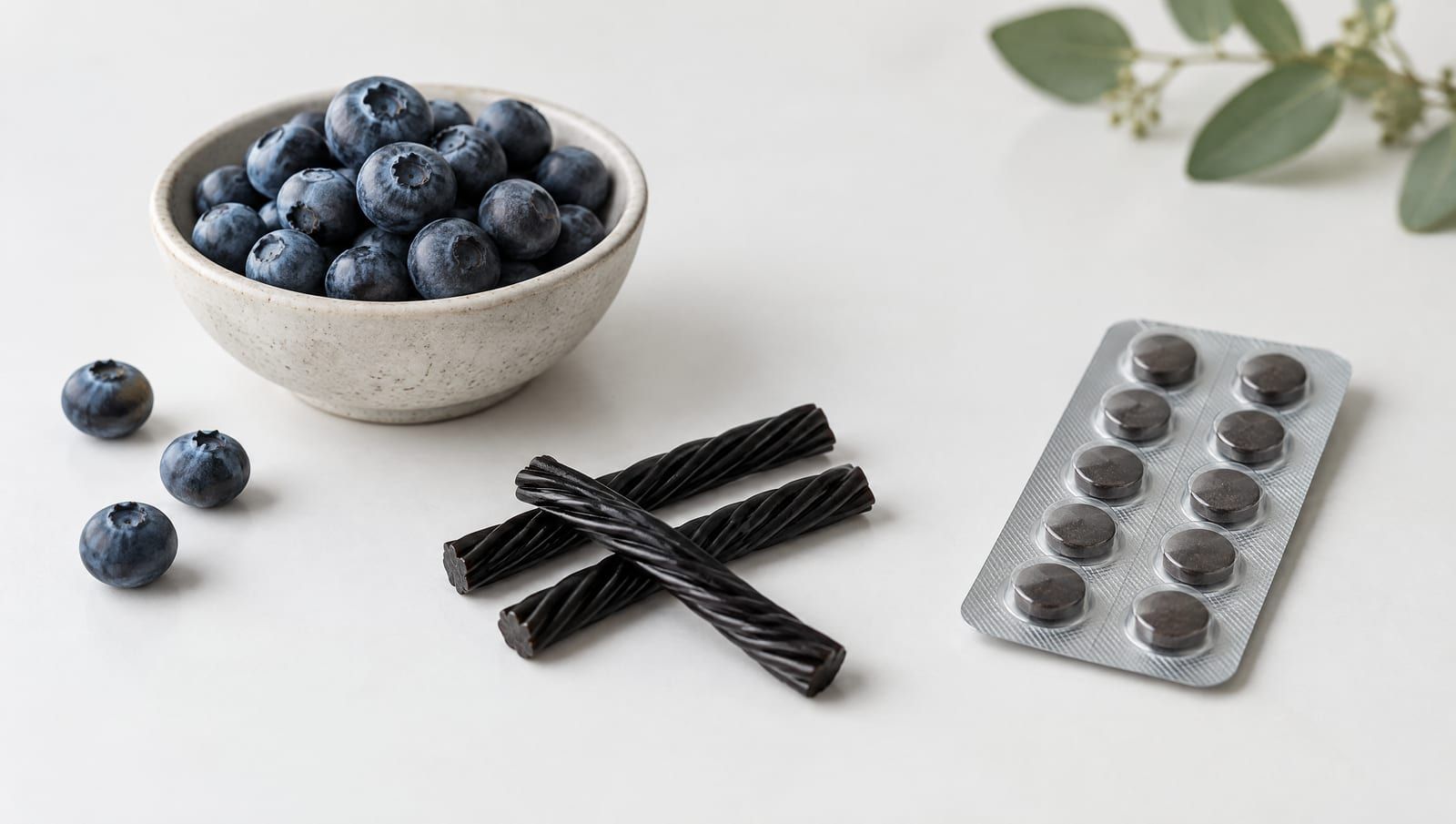
Black stool is often harmless and caused by iron tablets, bismuth medicines like Pepto-Bismol, black licorice or blueberries. Black, sticky, tar-like stool with a strong smell (melena) can mean bleeding in the stomach or upper intestine and needs prompt medical advice. Get urgent help if black stool comes with dizziness, fainting, or vomiting blood or coffee-ground material.
Read the guide -

Yellow poop: what yellow stool color means
Yellow poop is usually caused by diet, such as carrots, sweet potatoes or yellow food coloring, or by stool moving through the gut quickly. Yellow stool that is greasy, floats, smells unusually bad and keeps happening can mean fat isn't being absorbed, which can happen with celiac disease, pancreas problems or a giardia infection. See a doctor if it lasts, especially with weight loss or diarrhea.
Read the guide -

Blood in stool: causes and when to worry
Bright red blood on toilet paper or streaked on stool often comes from hemorrhoids or a small anal tear, while dark red, maroon or black tarry stool points to bleeding further up the gut. A small one-off streak is often minor, but blood that keeps coming back, or comes with a change in bowel habit, weight loss or tiredness, should be checked by a doctor. Heavy bleeding, clots, dizziness or black tarry stool need urgent care.
Read the guide -

Mucus in stool: what's normal and when to worry
A small amount of clear or whitish mucus in stool is normal, because the gut makes mucus to help stool pass. Noticeably more mucus can come with constipation, IBS, an infection or inflammatory bowel disease such as ulcerative colitis or Crohn's disease. Mucus with blood, mucus that keeps showing up, or mucus with diarrhea, pain, fever or weight loss should be checked by a doctor.
Read the guide -
Floating poop: what it means and when to worry
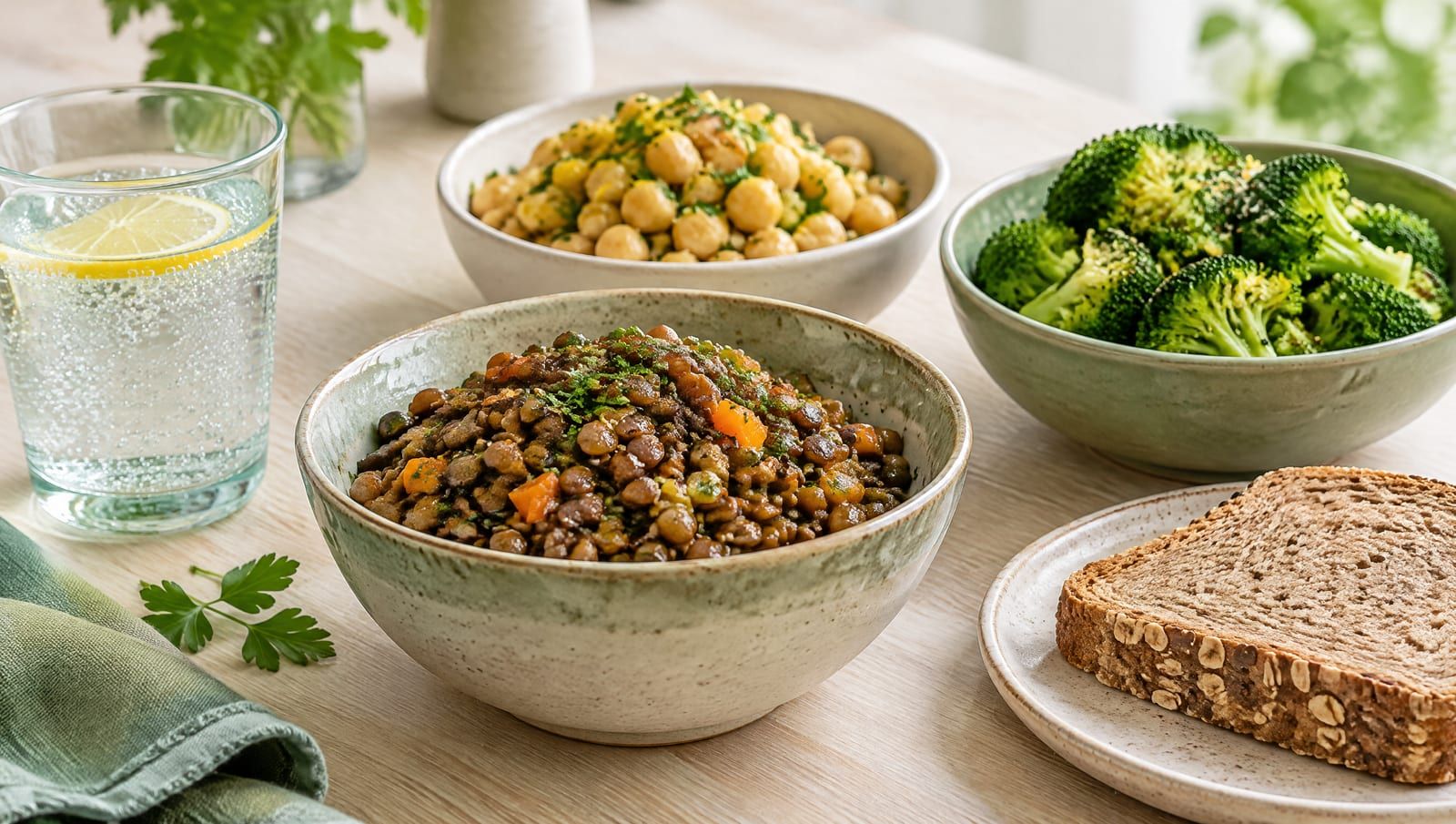
Floating poop usually means your stool has more gas in it than usual, often after a meal high in fiber, beans or other fermentable carbs, and it's normal now and then. Stool that floats along with being greasy, pale, very foul smelling and hard to flush can mean your body isn't absorbing fat properly. If that keeps happening, especially with weight loss or diarrhea, see a doctor.
Read the guide -
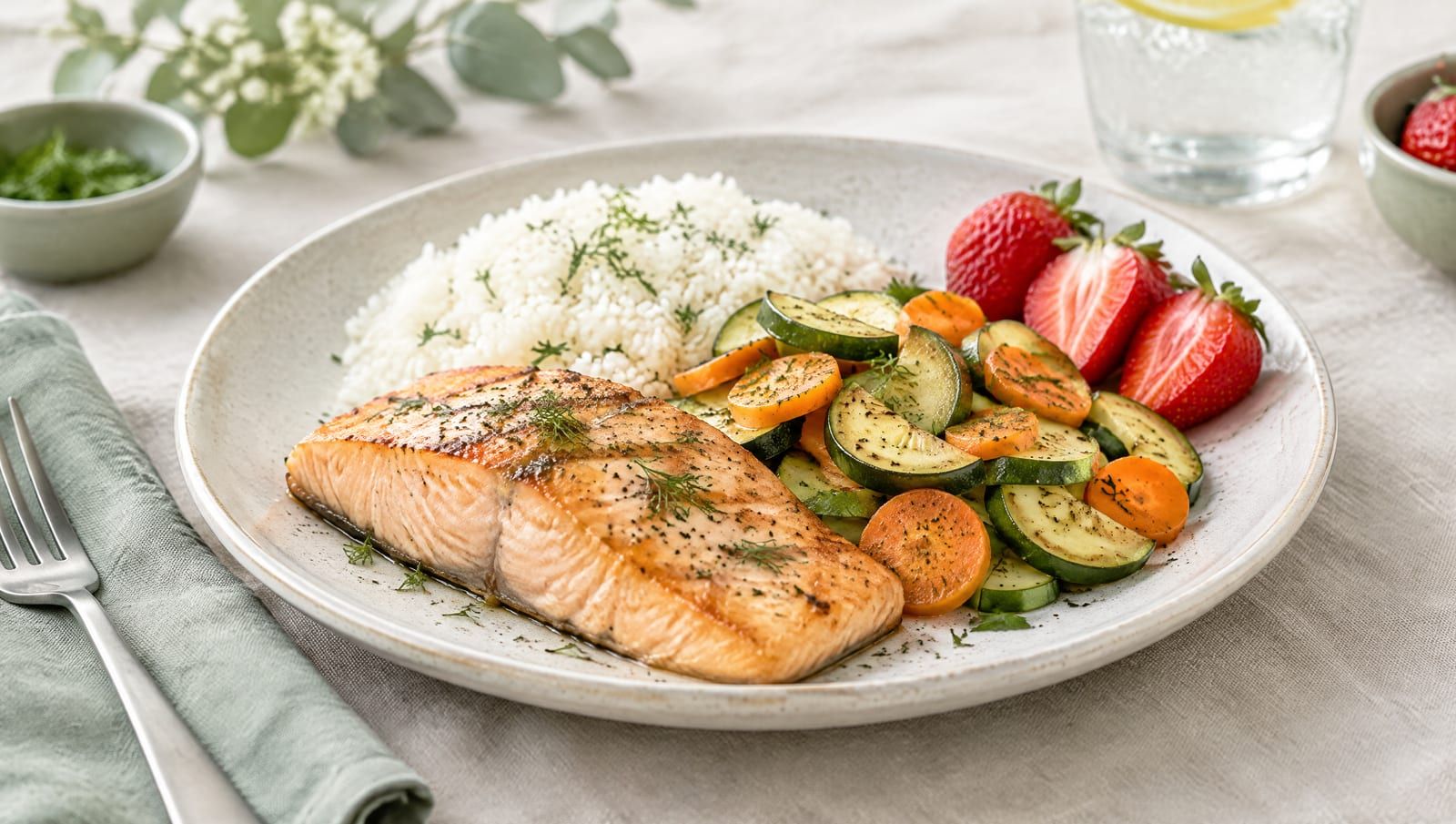
The low FODMAP diet for IBS: how it works, step by step
The low FODMAP diet is a three-step plan for IBS developed at Monash University. You swap high FODMAP foods for low FODMAP ones for 2 to 6 weeks, reintroduce each FODMAP group one at a time to see which ones cause symptoms, then return to eating everything you tolerate. It works best with a dietitian and isn't meant to be followed strictly for the long term.
Read the guide -
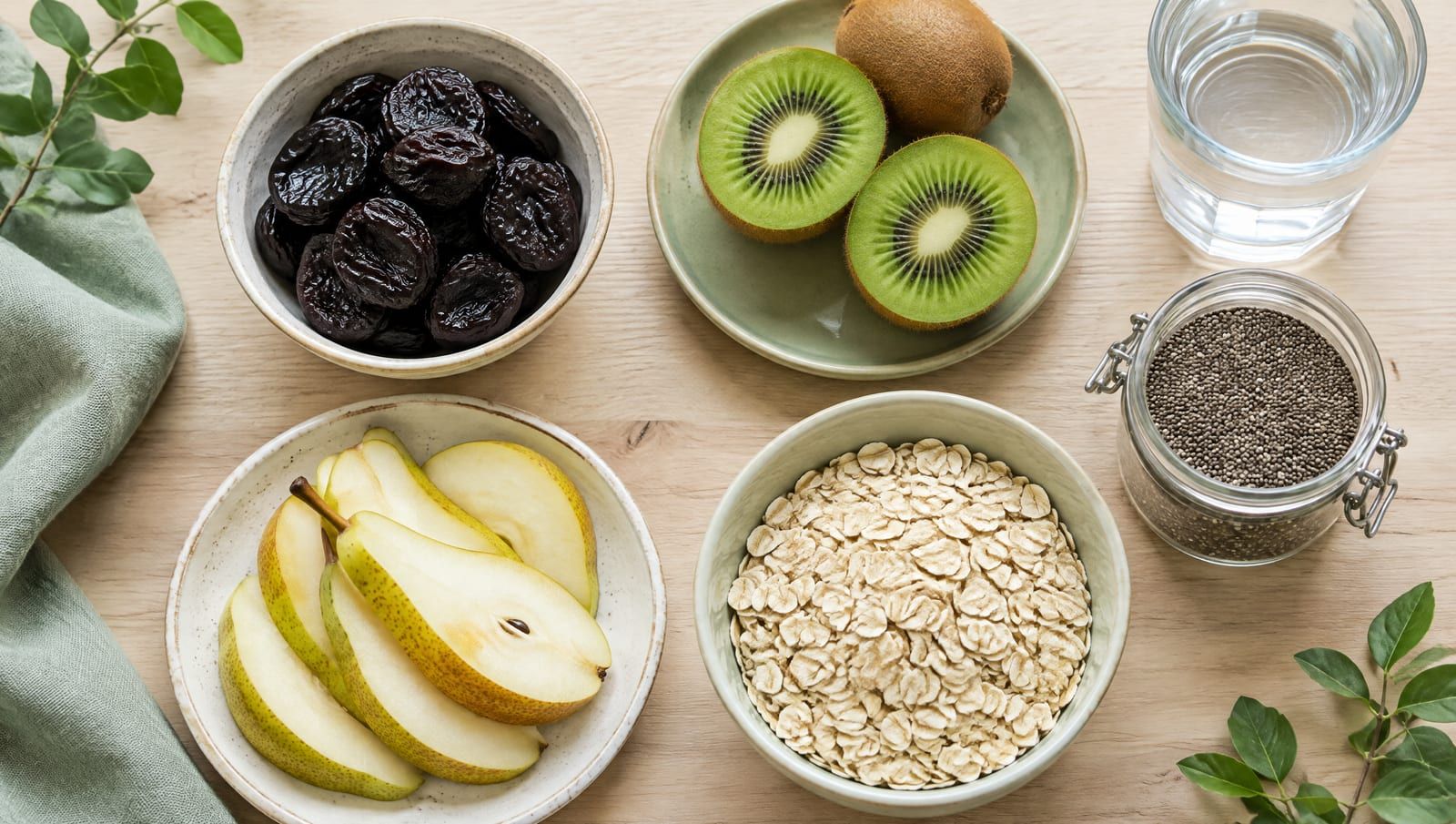
Foods that make you poop: what works and how fast
Prunes, kiwifruit, pears, apples, berries, beans, oats, whole grains, chia and flax all help you poop because they add fiber, sorbitol or both, which soften stool and add bulk. Most take a day or more to work. Coffee and a warm breakfast are the quickest nudges, and fiber works best when you raise it slowly and drink enough fluid.
Read the guide -

Constipation relief: natural remedies and fast fixes
Most constipation eases with more fluid, a gradual increase in fiber, daily movement, and a regular unhurried toilet routine with your feet raised on a low stool. Prunes and kiwifruit can help too. If that isn't enough, a pharmacist can suggest a laxative for short-term use, and blood in your stool, weight loss or a lasting change in bowel habit needs a doctor.
Read the guide -
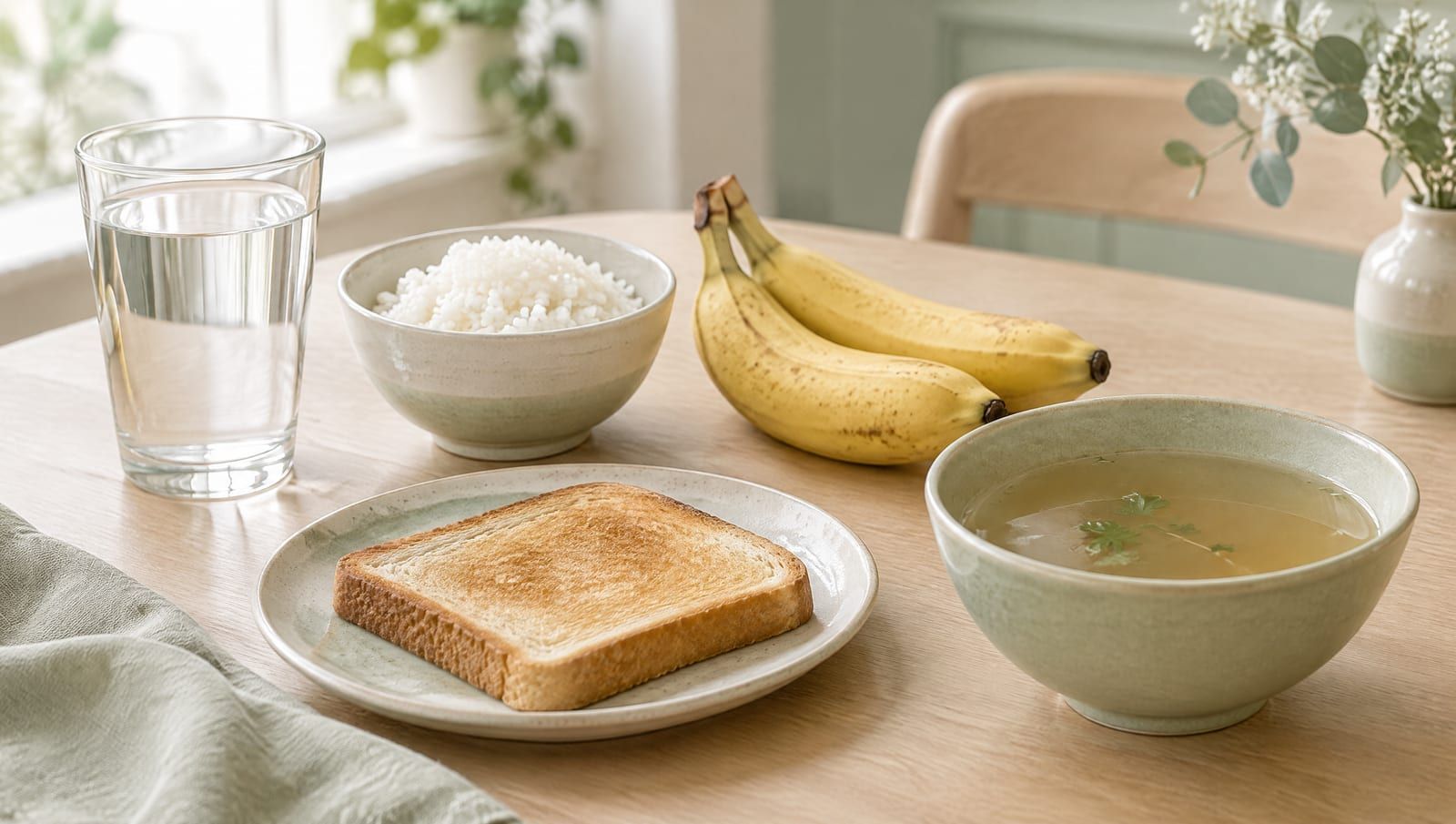
How to stop diarrhea fast, and when to see a doctor
Most diarrhea from a stomach bug or something you ate clears up on its own within a few days, and the most useful thing you can do is replace lost fluids with water or an oral rehydration solution. Eat plain food when you feel ready, and ask a pharmacist before taking anti-diarrhea medicine, which isn't suitable with fever, bloody stool or for young children. See a doctor if it lasts more than a week, or sooner if there's blood, a high fever, severe pain or signs of dehydration.
Read the guide -

Bristol type 6 stool: mushy poop causes and what to do
Type 6 on the Bristol stool chart is mushy stool with ragged edges, and type 5 is soft blobs with clear edges. Both mean stool moved through your gut faster than usual, often because of food, coffee, alcohol, stress, a stomach bug, IBS or a medicine. An occasional type 6 is common and harmless, but see a doctor if it goes on for weeks, or comes with blood, weight loss, fever or pain that wakes you at night.
Read the guide -

Baby poop color: a guide for new parents
Baby poop is usually yellow, green or brown, and all three are normal. Newborns pass black, sticky meconium for the first few days, then breastfed babies tend to have loose mustard-yellow stool while formula-fed babies have firmer tan or brown stool. Call your pediatrician the same day for white, pale or chalky stool, red or bloody stool, or black stool after the meconium days.
Read the guide -
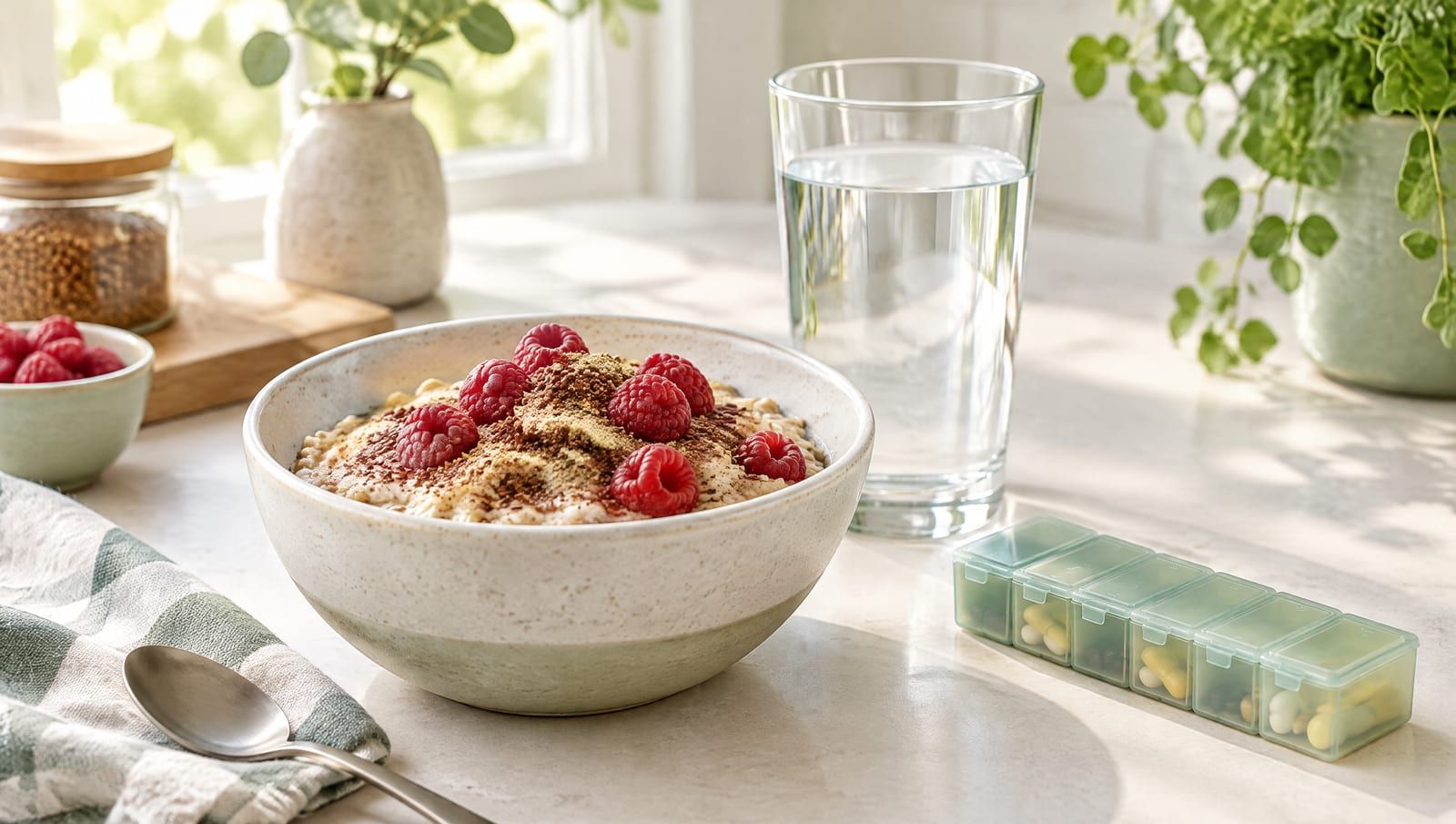
Ozempic and constipation: GLP-1 bowel changes and what helps
GLP-1 medicines such as semaglutide (Ozempic, Wegovy) and tirzepatide (Mounjaro, Zepbound) slow digestion, and constipation, diarrhea and nausea are listed as common side effects. They are often worse when you start or move up a dose. Fluids, fiber added slowly, smaller meals and daily movement help many people, and your prescriber or pharmacist should be the first call before you take a laxative or if symptoms don't settle.
Read the guide -

Constipation relief during pregnancy: safe ways to get things moving
Constipation is common in pregnancy because hormones slow digestion, iron supplements can harden stool, and the growing womb presses on the bowel. Drinking more, adding fiber gradually and staying active are safe to try and help most people. Check with your midwife, doctor or pharmacist before taking any laxative or supplement.
Read the guide -

IBS symptoms: the signs of irritable bowel syndrome, types and foods to avoid
The main symptoms of IBS (irritable bowel syndrome) are belly pain or cramps linked to bowel movements, bloating, and changes in how often you go or what your stool looks like, with diarrhea, constipation or both. Symptoms usually come and go in flare-ups, often after eating. Bleeding, weight loss, symptoms at night or a new change after age 50 aren't typical of IBS and need a doctor.
Read the guide