IBS symptoms: the signs of irritable bowel syndrome, types and foods to avoid

The short answer
The main symptoms of IBS (irritable bowel syndrome) are belly pain or cramps linked to bowel movements, bloating, and changes in how often you go or what your stool looks like, with diarrhea, constipation or both. Symptoms usually come and go in flare-ups, often after eating. Bleeding, weight loss, symptoms at night or a new change after age 50 aren't typical of IBS and need a doctor.
Irritable bowel syndrome (IBS) is a long-term condition where the gut is more sensitive than usual and the bowel doesn’t move stool along as smoothly as it should. It doesn’t cause visible damage to the bowel, but it can make daily life hard, especially when you don’t know what sets it off.
IBS is common. The NIDDK says women are up to twice as likely as men to develop it, and people under 50 are more likely to develop it than older adults. This guide covers the symptoms, the types of IBS by stool form, how doctors diagnose it, the foods people most often need to cut back on, and the symptoms that point to something else.
The main symptoms of IBS
The NHS lists the main symptoms as:
- stomach pain or cramps, usually worse after eating and better after a bowel movement
- bloating, with a full or swollen feeling in your belly
- diarrhea, sometimes with a sudden need to go
- constipation, with straining and a feeling you haven’t emptied fully
Other common symptoms include wind, passing clear or white mucus (see mucus in stool), and a feeling of not having finished after you go. Some people also have tiredness, nausea, backache, or bladder symptoms.
IBS symptoms come and go. There are usually days or weeks when things are calm and spells when they’re worse, called flare-ups. The NHS notes that flare-ups can happen for no obvious reason, though food, stress and poor sleep often play a part. NIDDK adds that many women with IBS have more symptoms during their periods.
How long IBS symptoms last
A flare-up might last a few hours or carry on for days, weeks or even months before settling. IBS itself tends to be long term. For most people it waxes and wanes over years, and symptoms often improve once triggers are identified and managed.
Types of IBS by stool form
Doctors group IBS by the stool type you have on days when your bowel habit isn’t normal, using the Bristol stool chart. Types 1 and 2 are hard and lumpy. Types 6 and 7 are mushy or watery (see type 6 stool).
| Type | What it means | Stool pattern on abnormal days |
|---|---|---|
| IBS-C | IBS with constipation | More than a quarter are types 1 to 2, fewer than a quarter are types 6 to 7 |
| IBS-D | IBS with diarrhea | More than a quarter are types 6 to 7, fewer than a quarter are types 1 to 2 |
| IBS-M | IBS with mixed bowel habits | More than a quarter are types 1 to 2 and more than a quarter are types 6 to 7 |
| IBS-U | Unclassified | Doesn’t fit any of the above |
The type matters because treatment differs. Advice for IBS-C focuses on softening stool and keeping things moving, while IBS-D focuses on slowing things down and avoiding triggers that cause urgency. Your type can also change over time.
How IBS is diagnosed
There isn’t a single test for IBS. Doctors diagnose it from your symptoms, and they usually run a few simple tests to rule out other conditions such as coeliac disease or inflammatory bowel disease.
Many doctors use the Rome IV criteria from the Rome Foundation. In plain words, you’re likely to have IBS if:
- you’ve had belly pain on at least one day a week, on average, over the last three months
- the pain is linked to two or more of these: it’s related to having a bowel movement, it comes with a change in how often you go, or it comes with a change in how your stool looks
- your symptoms started at least six months ago
The NHS suggests seeing a GP if you think you have IBS and have had symptoms for more than four weeks.
Foods that often trigger IBS
Food doesn’t cause IBS, but certain foods often make symptoms worse. Everyone’s triggers are different, so the aim is to find yours rather than avoid a long list.
| Food or drink | Why it can cause trouble |
|---|---|
| High FODMAP foods: onion, garlic, beans, lentils, wheat, apples, pears, milk, honey | Poorly absorbed carbohydrates that draw in water and are fermented into gas |
| Fatty and fried foods | Can trigger cramping and urgency, especially in IBS-D |
| Caffeine (coffee, energy drinks, some teas) | Stimulates the bowel and can bring on diarrhea |
| Alcohol | Can irritate the gut and loosen stools |
| Fizzy drinks | Add gas and can increase bloating |
| Spicy food | Triggers pain or diarrhea in some people, not all |
| Sugar-free sweets and gum (sorbitol, mannitol) | Polyols that can cause wind and loose stools |
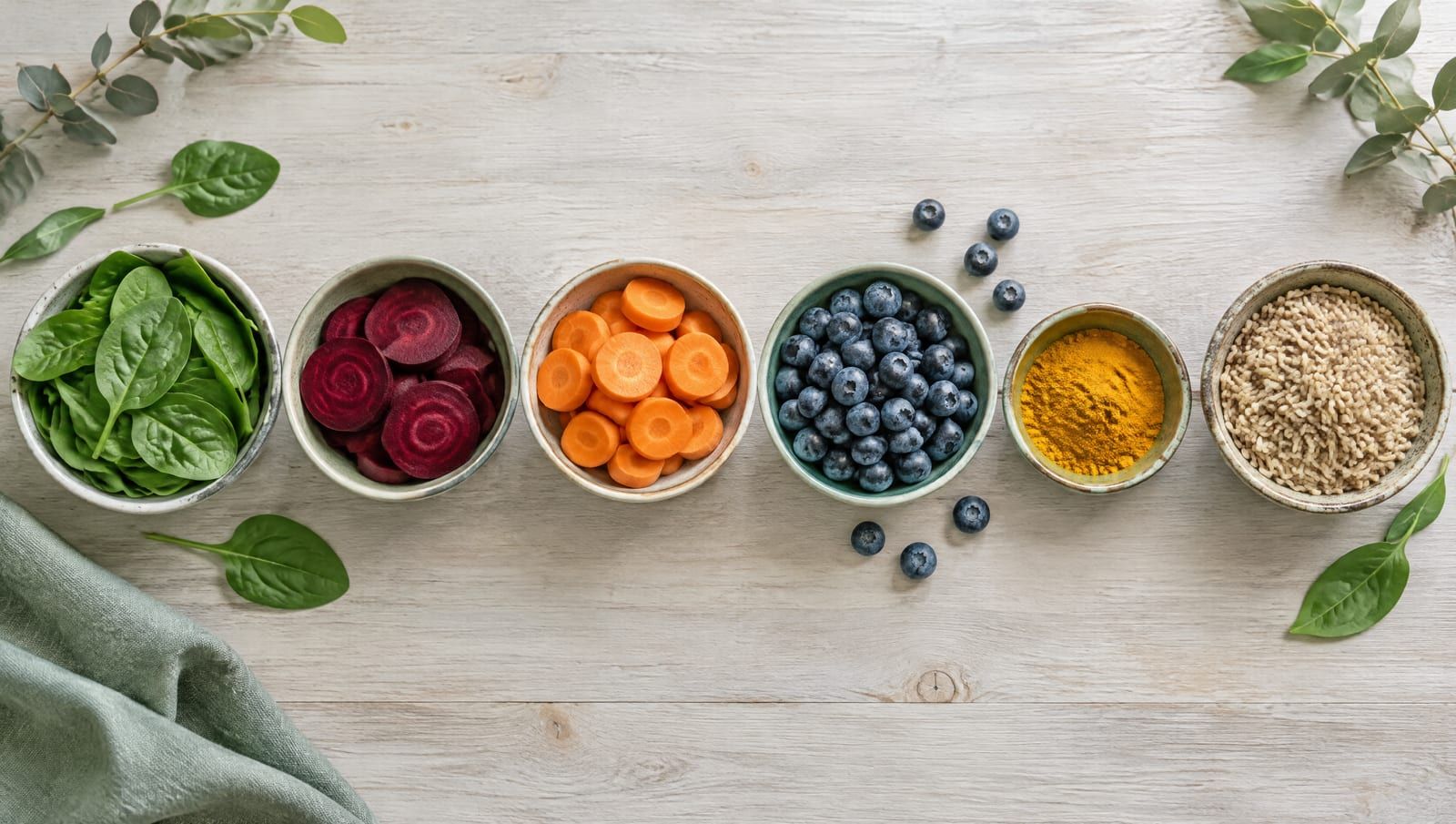
The NIDDK lists the low FODMAP diet as one diet change a doctor may suggest, and Monash University, where it was developed, describes it as a short-term elimination followed by reintroduction to find personal triggers. Our low FODMAP diet guide walks through it. Fiber is worth a look too. Soluble fiber, from foods such as oats, carrots and linseed, often suits IBS with constipation, while people with diarrhea may do better cutting back on high-fiber wholegrains, nuts and seeds.
A simple record of meals and symptoms is often the most useful tool here. The IBS food diary guide includes a template.
Other things that help
Regular meals, eating slowly, regular exercise and getting enough sleep help many people. Stress and anxiety can make IBS worse, and a doctor may suggest talking therapies such as cognitive behavioral therapy or gut-directed hypnotherapy. A doctor or pharmacist can suggest medicines for specific symptoms, such as antispasmodics for cramps or treatments for constipation or diarrhea.
Red flags that aren’t IBS
Some symptoms aren’t part of IBS and need a doctor promptly, even if you’ve already been diagnosed:
- blood in your stool or bleeding from your bottom (see blood in stool)
- black, tarry stools
- weight loss you can’t explain
- symptoms that wake you up at night
- a new change in bowel habit that starts after age 50
- a lump or swelling in your belly
- signs of anemia, such as tiredness, shortness of breath, pale skin or a racing heart
- fever
- a family history of bowel cancer, coeliac disease, or inflammatory bowel disease
Get urgent help if you have severe belly pain that doesn’t ease, bloody diarrhea, or you can’t pass stool or wind and you’re vomiting.
Tracking IBS symptoms
Because IBS comes and goes, memory is a poor guide to what’s going on. A few weeks of notes on stool type, pain and meals usually shows patterns that are easy to miss day to day, and it helps your doctor confirm your IBS type.
Poopwell lets you log each bowel movement with one tap on the Bristol stool chart and add symptoms such as pain with a level, urgency, mucus or blood. Food is logged by tapping groups like Dairy, Gluten, Fried, Spicy, Caffeine or Alcohol. With Pro, the food trigger analysis marks each group as may be a trigger, seems fine or unclear, with a confidence level. It works with food groups rather than individual FODMAPs, and it can’t diagnose IBS. A PDF report summarizes your stool types and symptoms for your next appointment.
Questions people also ask
What are the first signs of IBS?
Usually belly pain or cramping that eases or changes after a bowel movement, together with bloating and a change in your stools, such as more diarrhea, more constipation, or switching between the two. Symptoms often come and go and are worse after eating.
What foods should you avoid with IBS?
Common triggers include high FODMAP foods such as onion, garlic, beans, wheat, some fruits and milk, plus fatty or fried food, caffeine, alcohol, fizzy drinks and, for some people, spicy food. Triggers differ from person to person, so a food and symptom diary works better than cutting everything out.
How long can IBS symptoms last?
A flare-up can last anywhere from a few hours to days, weeks or months, and then settle. IBS itself is usually long term, with good and bad spells. Many people find their symptoms become much more manageable once they know their triggers.
What are IBS symptoms in females?
The symptoms are the same as in men, but IBS is diagnosed more often in women, and many women notice symptoms get worse around their period. Bloating, pain and changes in bowel habit are the main signs. Pain during sex or heavy bleeding has other causes and needs checking.
Can IBS cause mucus in stool?
Yes, passing some clear or white mucus is common with IBS. Mucus with blood, fever or severe pain isn't typical of IBS and should be checked by a doctor.
Sources
This guide is general information, not medical advice. If you're worried about a change in your bowel habits, talk to a doctor. Get urgent help for heavy bleeding, black tarry stool with dizziness, or severe belly pain.