Yellow poop: what yellow stool color means
The short answer
Yellow poop is usually caused by diet, such as carrots, sweet potatoes or yellow food coloring, or by stool moving through the gut quickly. Yellow stool that is greasy, floats, smells unusually bad and keeps happening can mean fat isn't being absorbed, which can happen with celiac disease, pancreas problems or a giardia infection. See a doctor if it lasts, especially with weight loss or diarrhea.
Yellow poop is usually down to food or digestion moving a bit faster than normal, and it tends to go back to brown within a day or two. The kind worth paying attention to is yellow stool that is greasy, floats, smells much worse than usual and keeps coming back. That pattern can mean your body isn’t absorbing fat properly.
Stool gets its color from bile, which the liver makes to digest fat. Bile starts out yellow-green, and bacteria in the gut gradually turn it brown. Anything that speeds stool along, adds yellow pigment, or leaves extra fat in the stool can shift the color toward yellow. The poop color chart covers the other colors.
Common causes of yellow poop
| Cause | What it looks like | What to do |
|---|---|---|
| Diet | Yellow or orange after carrots, sweet potatoes, squash, turmeric or yellow dye | Nothing |
| Fast transit | Light yellow, often loose | Usually settles. Check if it lasts |
| A very fatty meal | One-off greasy or yellow stool | Nothing |
| Stomach bug or giardia | Yellow, watery, smelly diarrhea | Fluids, and see a doctor if it lasts |
| Fat malabsorption | Pale yellow, greasy, floating, foul smelling, hard to flush | See a doctor |
| Weight-loss medicine orlistat | Oily, yellow or orange stool and spotting | Expected. Ask your doctor about fat intake |
Food
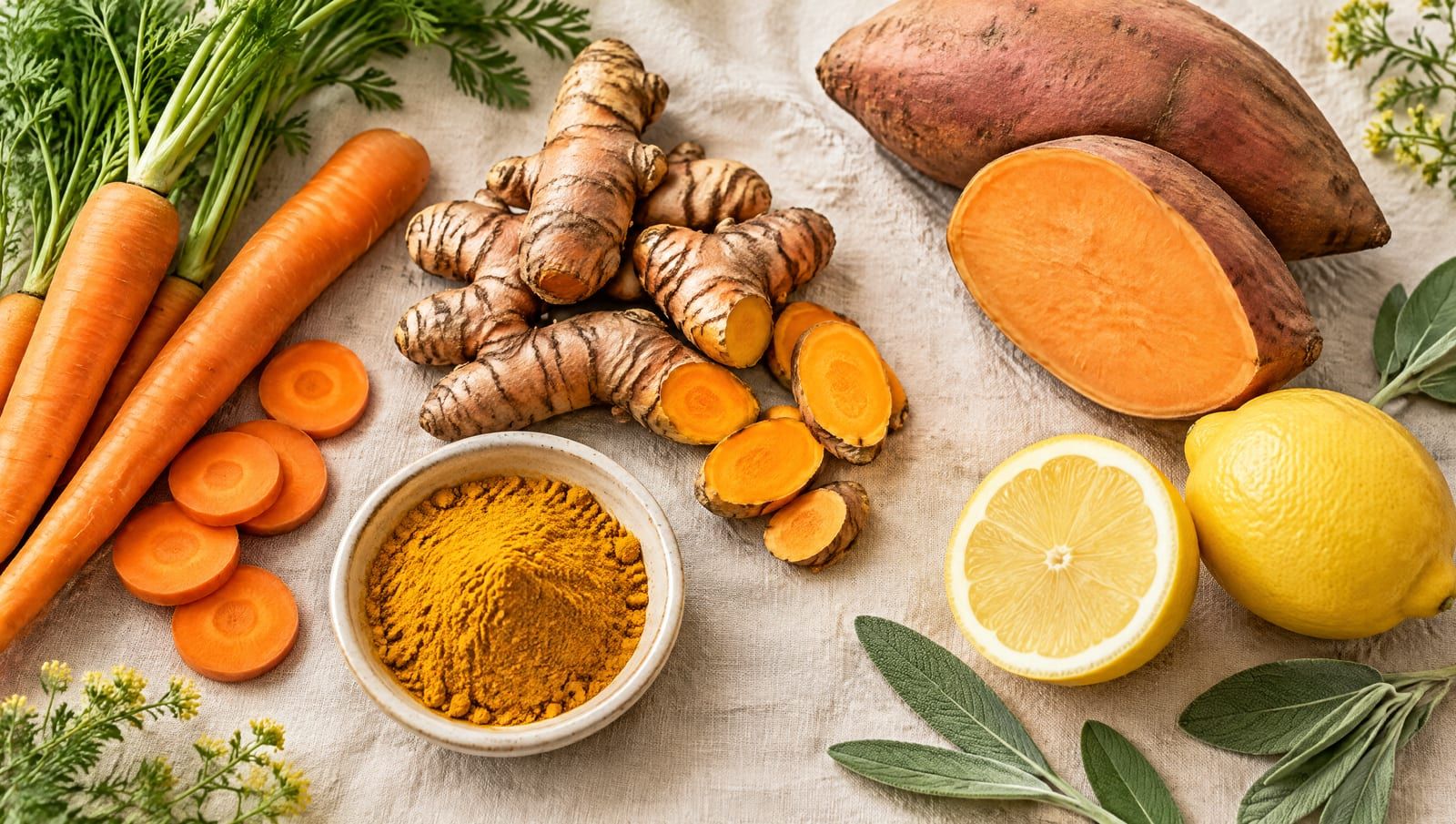
Foods high in beta-carotene, such as carrots and sweet potatoes, can tint stool yellow or orange. Turmeric and yellow food coloring do it too. If you feel well and the color follows something you ate, it’ll pass.
Fast transit
When stool moves quickly through the intestines, bile has less time to turn brown, so stool comes out lighter, yellow or green. This happens with diarrhea, a stomach bug, a lot of coffee, and for some people stress or anxiety. Yellow stools that are also loose (types 5 to 7 on the Bristol stool chart) usually fall into this group.
Greasy, pale yellow stool: fat malabsorption
When fat isn’t absorbed in the small intestine, it ends up in the stool. Doctors call this steatorrhea. The stool tends to be:
- Pale yellow or light colored
- Greasy or oily, sometimes with an oily film on the water
- Bulky and soft
- Foul smelling, more than usual
- Floating and hard to flush
A single episode after a big, fatty meal is common. If it keeps happening, the cause is usually one of a few things.
Celiac disease
In celiac disease, gluten triggers an immune reaction that damages the lining of the small intestine, so it absorbs nutrients less well. The NIDDK lists diarrhea, pale, foul-smelling or fatty stool, bloating and weight loss among the digestive symptoms. Some people have few gut symptoms and show up with anemia or tiredness instead. Don’t cut out gluten before getting tested, since that can make the blood test and biopsy come back falsely normal.
Pancreas problems
The pancreas makes the enzymes that break down fat. When it isn’t producing enough, as can happen with chronic pancreatitis or cystic fibrosis, fat passes through undigested. Chronic pancreatitis can also cause upper belly pain and weight loss. This needs a doctor’s assessment and often treatment with enzyme capsules taken with meals.
Giardia and other infections
Giardia is a parasite you can catch from contaminated water, food or close contact. It causes smelly diarrhea, cramps, bloating, gas, burps that smell like eggs and sometimes weight loss. The diarrhea can be yellow and greasy because the infection interferes with absorption. It’s treated with antibiotics, and the NHS advises getting medical help if diarrhea lasts more than 7 days.
Bile problems
Bile is needed to absorb fat. If a liver, gallbladder or bile duct problem reduces the amount of bile reaching the gut, stool can become pale yellow, gray or clay colored. Very pale or white stool is a separate warning sign, especially with yellow skin or eyes or dark urine, and needs a doctor promptly.
Yellow floating poop
Most floating stool floats because it has more gas in it, which is common after beans, high-fiber foods or fizzy drinks. On its own, floating isn’t a concern. Yellow stool that floats and also looks oily, smells strongly and leaves a film in the bowl suggests extra fat. The floating poop guide goes into this in more detail.
Yellow mucus in stool
The bowel lining makes mucus to keep things moving, and a small amount of clear, white or yellowish mucus in stool is normal. You’re more likely to notice extra mucus with:
- A gut infection, often along with diarrhea
- IBS, especially with diarrhea or during flares
- Inflammatory bowel disease, such as ulcerative colitis or Crohn’s disease, where it may come with blood
- Constipation or straining
Yellow mucus with fever, blood, strong pain or diarrhea that doesn’t settle is worth getting checked. The mucus in stool guide has more on what different amounts and colors can mean.
Yellow poop in babies
Yellow stool is normal in babies. Breastfed babies often pass loose, mustard yellow stool with little seedy bits. Pale, white or chalky stool is different and needs a doctor the same day. For other questions about your baby’s stool, ask your pediatrician.
When to see a doctor
Yellow stool is usually not a concern. See a doctor if:
- Greasy, pale yellow or foul-smelling stool keeps happening for more than a week or two
- You’re losing weight without trying
- You have diarrhea that lasts more than a few days, or more than 7 days with suspected giardia
- You have ongoing bloating, cramps or upper belly pain
- Your stool is very pale, gray or white, or your skin or eyes look yellow, or your urine is dark
- There’s blood in your stool (see blood in stool)
- You have signs of dehydration, such as very little urine, dizziness or a dry mouth
Tracking yellow stool
A doctor looking into fat malabsorption will want to know how often it happens, what the stool is like, and whether it follows particular foods. Celiac disease, for example, often shows a link with gluten, and fatty meals can make pancreas-related symptoms worse.
Poopwell lets you log each bowel movement with one tap on its Bristol type and add yellow as the color, plus symptoms like urgency or pain. You can tap the food groups you ate each day, including Gluten, Dairy and Fried. With Pro, the food trigger analysis compares days after each food group with other days and marks groups as “may be a trigger”, “seems fine” or “unclear”. That’s a starting point for a conversation with your doctor and can’t replace testing. If you’re working through symptoms like bloating and loose stools, the IBS food diary guide and the low FODMAP diet guide may help.
Questions people also ask
What does yellow poop mean?
Usually something you ate or fast digestion. Bile is yellow-green when it's made, and stool that moves quickly doesn't have time to turn fully brown. Yellow that keeps coming back, especially if greasy and foul smelling, can mean fat isn't being absorbed and is worth checking.
What does yellow floating poop mean?
Stool usually floats because it contains extra gas, which is common after high-fiber or gassy foods. Yellow stool that floats, looks oily and is hard to flush can mean too much fat in the stool, which doctors call steatorrhea.
Is yellow mucus in stool normal?
A small amount of clear or slightly yellow mucus is normal. More mucus than usual, or mucus with diarrhea, blood, fever or pain, can point to infection, IBS or inflammation of the bowel and should be checked if it continues.
Can stress cause yellow poop?
Stress can speed up digestion in some people, and faster transit can leave stool lighter or yellower. That kind of change should come and go. Ongoing greasy yellow stool isn't explained by stress.
Is yellow poop normal for babies?
Yes. Breastfed babies often have mustard yellow, seedy stool, which is normal. Pale, white or chalky stool in a baby needs a doctor the same day. Ask your pediatrician about anything else that worries you.
Sources
This guide is general information, not medical advice. If you're worried about a change in your bowel habits, talk to a doctor. Get urgent help for heavy bleeding, black tarry stool with dizziness, or severe belly pain.